Yes, a full day in Vienna without spending anything is possible, but only if the stops are sequenced by geography and transit time, not picked from a list. The free parts of Schönbrunn, the Naschmarkt, Stephansdom and the Ringstrasse can fit into a single day. Get the order wrong, start late, or do it on a Sunday, and the plan falls apart by early afternoon.
What actually costs nothing in Vienna?
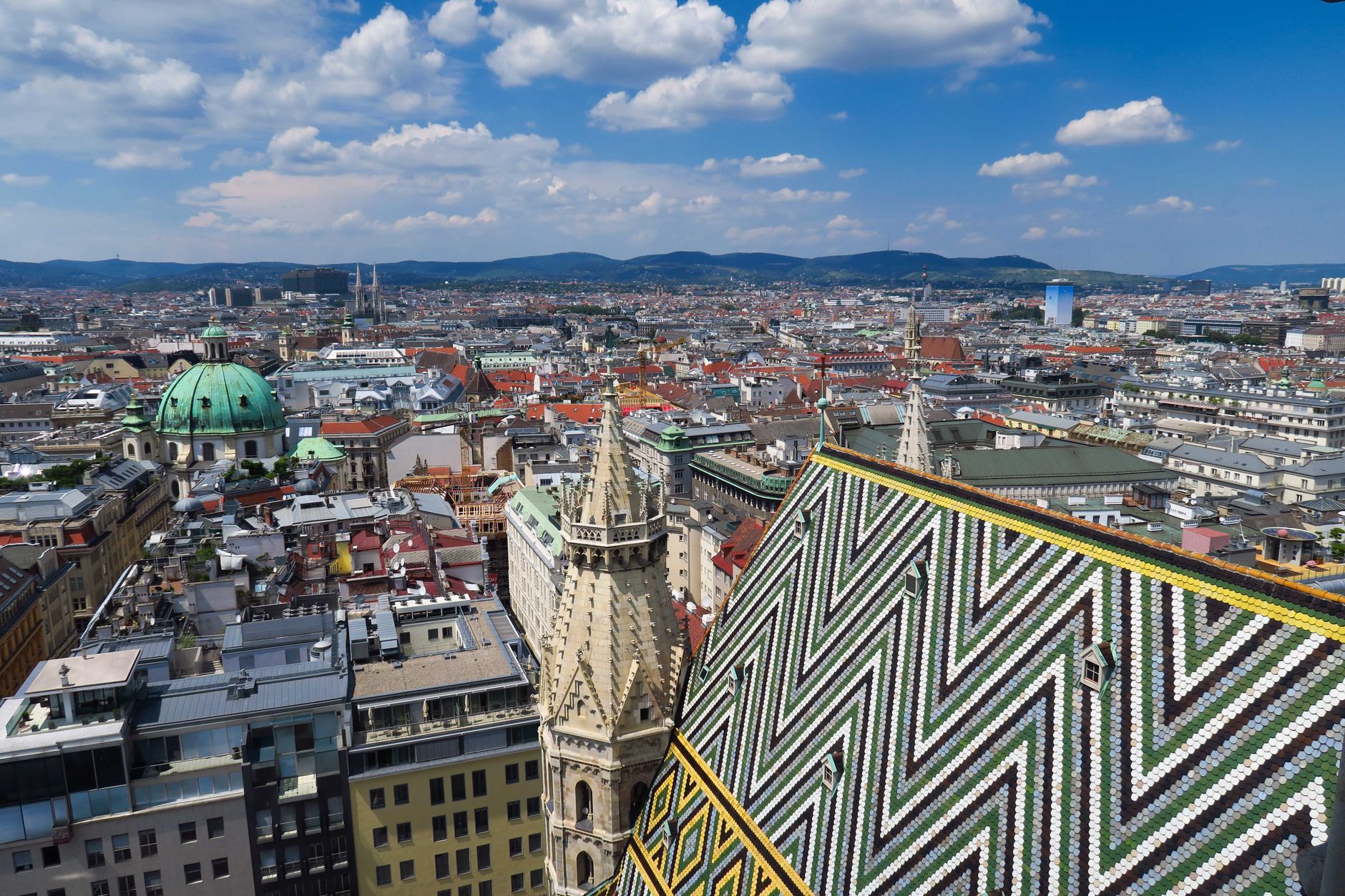
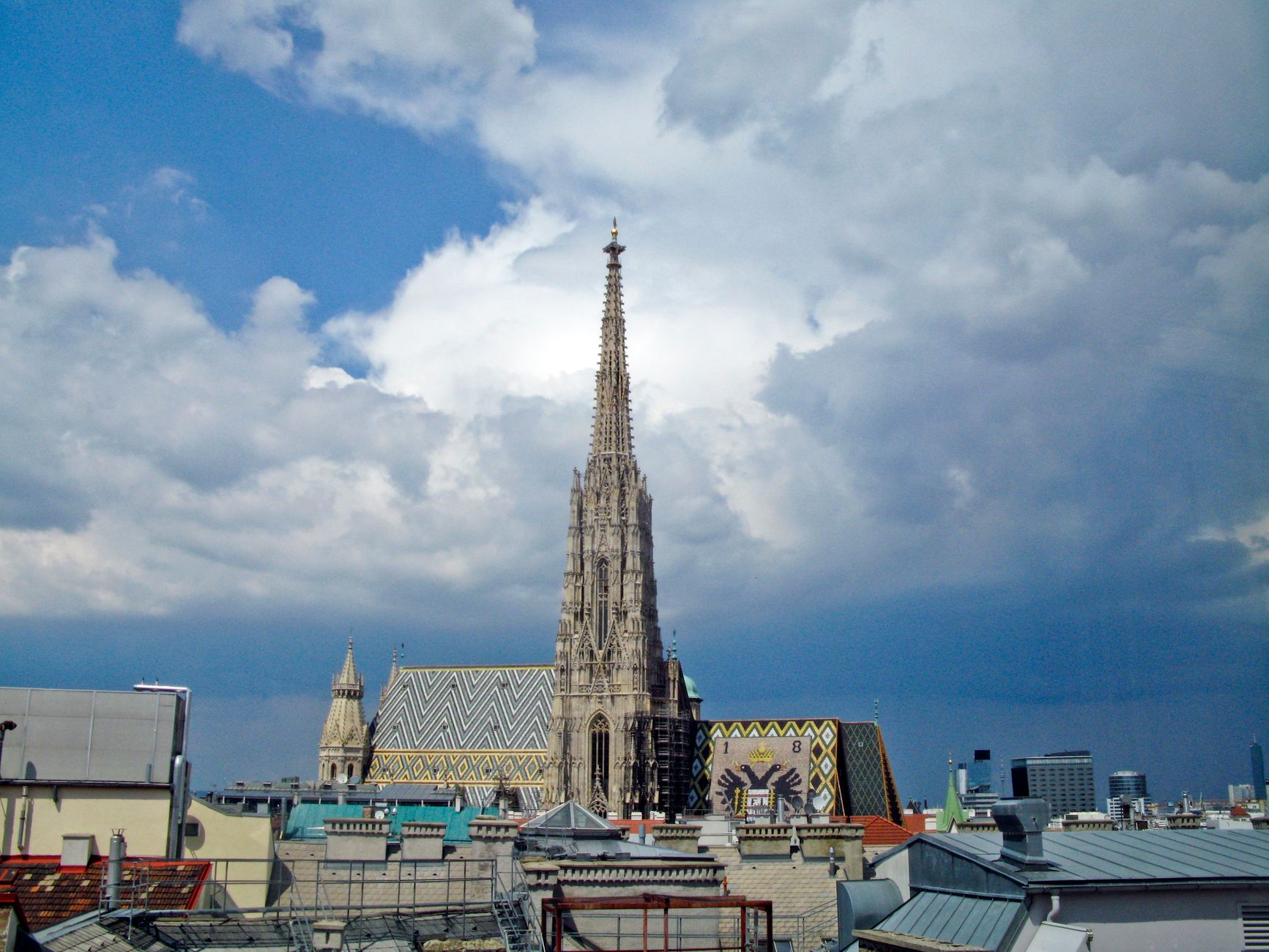
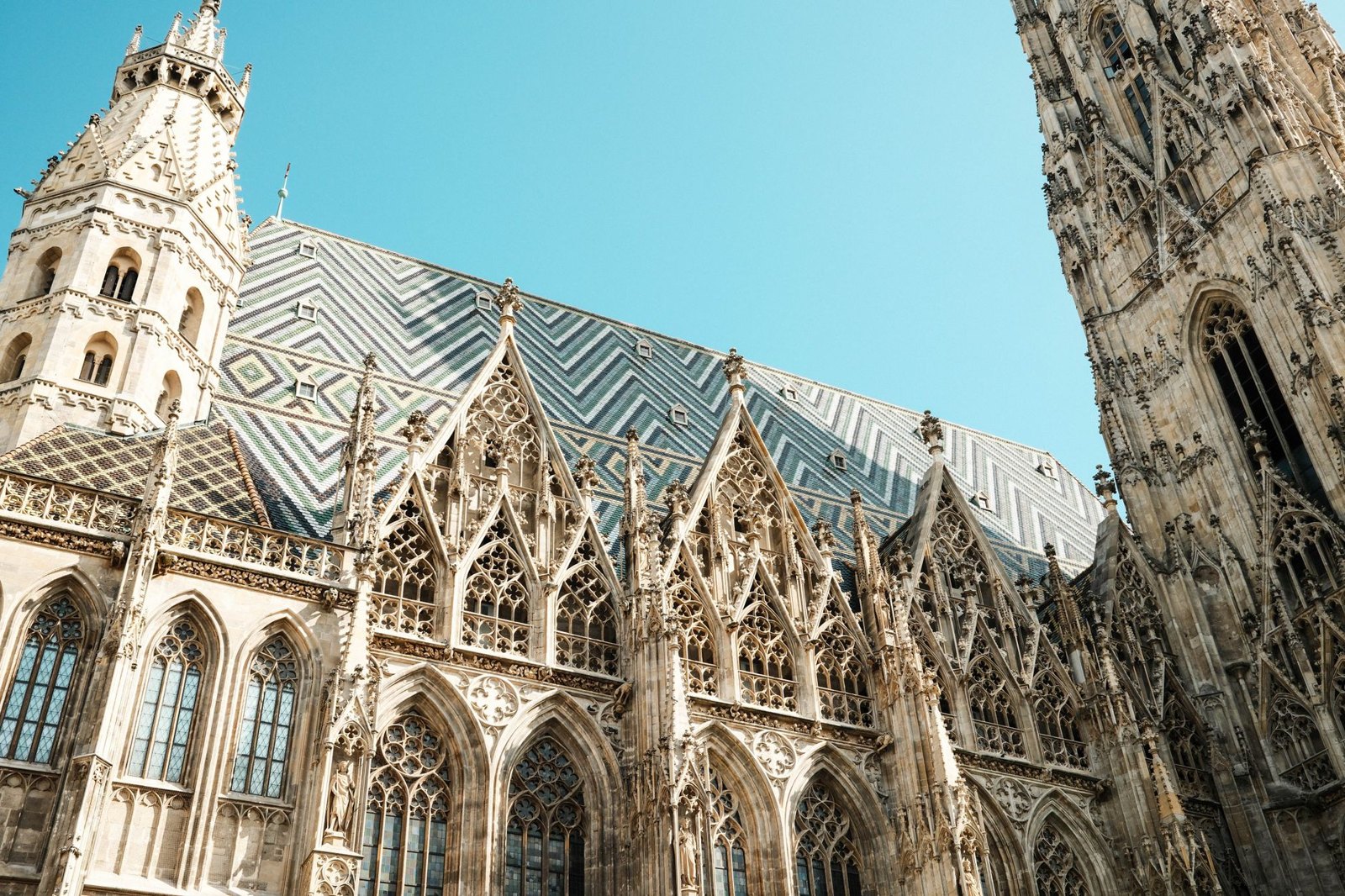
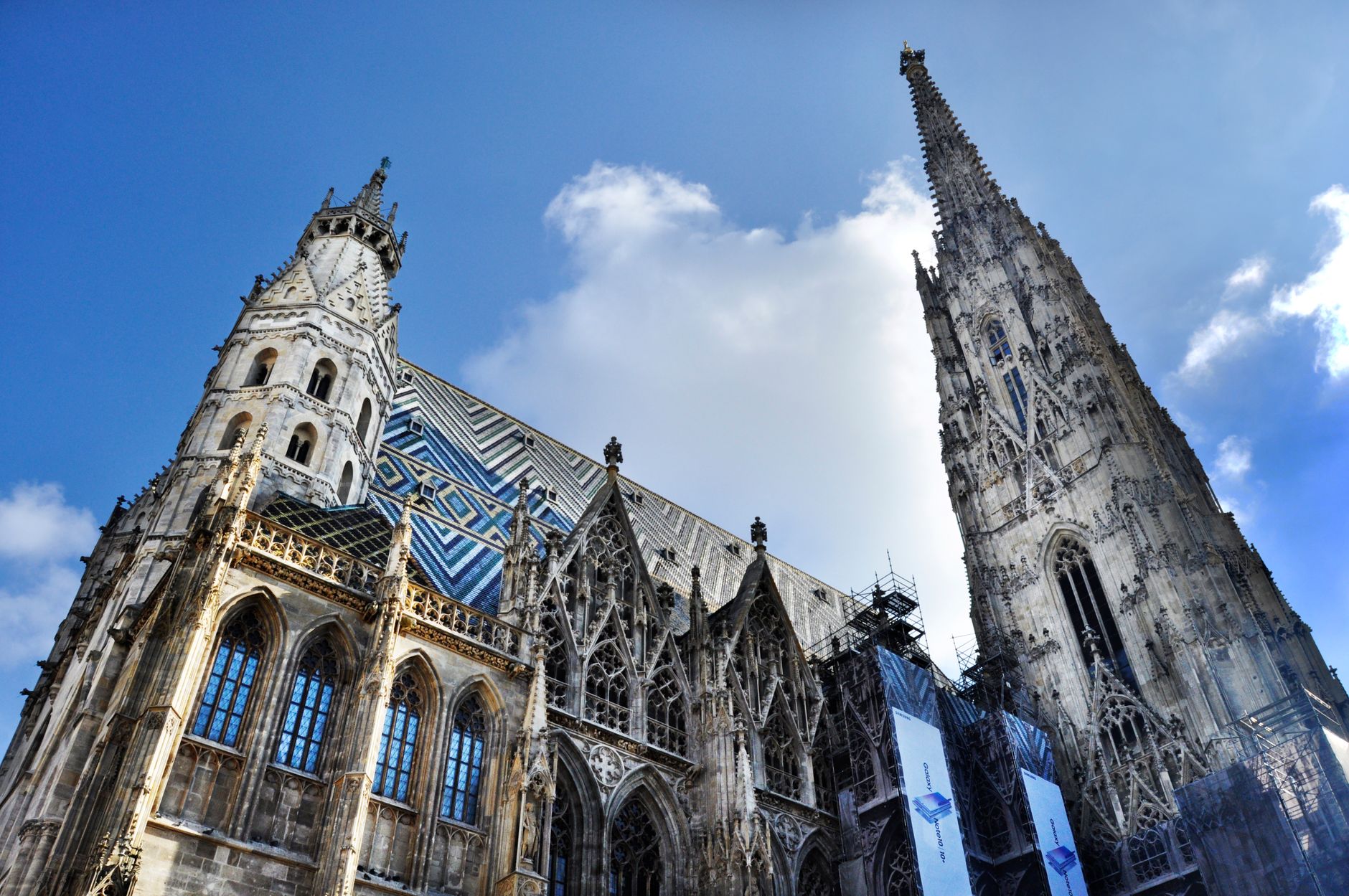
Several major sights have a free outer layer and a paid inner one. The Schönbrunn gardens are open to the public without a ticket; the palace interior is not. Stephansdom’s nave is free to enter; its towers and catacombs are not — a distinction covered in detail at Stephansdom: free nave, paid towers, which one to climb.
The Naschmarkt costs nothing to walk through. Several of Vienna’s state museums waive admission on specific days or hours, which Which Vienna museums are free, and on which days? sets out operator by operator. Walking the Ringstrasse, the boulevard that replaced the old city walls, is free. Riding the heritage tram that loops it is not, as explained at Is the Ringstrasse tram loop worth riding in Vienna?.
None of this is a mood. It is a set of fixed facts about what each institution charges for, and what it does not.
What is the hour-by-hour route?
This sequence works because it moves from the city’s southwest edge inward, finishing in the center where several free sights sit close together. Each transit leg is under 20 minutes by U-Bahn or tram. Wiener Linien, the city’s transport operator, publishes the current network map and journey planner on its own site, which is the reference to check before setting out.
| Time | Stop | District | What’s free | Next leg |
|---|---|---|---|---|
| 09:00–10:30 | Schönbrunn gardens | 13th, Hietzing | Park grounds, Gloriette exterior view | U4 to Karlsplatz, about 20 min |
| 10:50–12:15 | Naschmarkt | 6th/4th border, Mariahilf/Wieden | Walking the market stalls | 10-minute walk |
| 12:30–13:00 | Karlskirche exterior and Resselpark | 4th, Wieden | Church facade, park | Tram or 15-minute walk |
| 13:15–14:15 | Stephansdom nave | 1st, Innere Stadt | Nave interior | Short walk |
| 14:30–15:30 | Ringstrasse walk past Rathaus, Parliament, Volksgarten | 1st district perimeter | Boulevard, public parks | Walk or tram |
| 15:45–16:30 | MuseumsQuartier courtyards | 7th, Neubau | Courtyards, exterior architecture | End of route |
The logic is simple. Schönbrunn is far out, so it goes first, before tour groups arrive in volume. The Naschmarkt sits almost directly on the route back toward the center. Stephansdom and the Ringstrasse are both inside the 1st district, Innere Stadt, within a short walk of each other.
The MuseumsQuartier, a cluster of museum buildings in the 7th district, Neubau, closes the loop. Its courtyards are open to the public without a ticket even when the galleries inside are not.
What breaks this route?
Two things wreck it: a late start, and a Sunday.
Starting after 10am removes the point of visiting Schönbrunn early. Crowds build steadily through the morning, and the knock-on delay pushes every later stop back by the same margin. By the time Stephansdom is reached, the Ringstrasse walk may have to be cut.
Sunday is worse. The Naschmarkt’s stalls are shut, as is most retail, a pattern explained at Why is so much of Vienna closed on a Sunday?. Some Naschmarkt restaurants stay open, but the market as a walking experience does not exist that day. A reader building a free Sunday needs a different midday stop — a park, or one of the free museum windows — and should check What’s open in Vienna on a Sunday: a real decision guide before relying on anything along this route.
Public holidays behave similarly. Vienna has a number of them through the year, and they close shops the same way Sundays do. Austria’s public holidays: what actually shuts in Vienna lists which ones fall when.
What else is free, and why doesn’t it fit the route?
The Prater’s Hauptallee, a long tree-lined avenue, and the park area around the Riesenrad are free to walk; the rides are not. It sits in the 2nd district, Leopoldstadt, east of the center — a detour that adds at least 40 minutes each way and does not sit well with the route above.
The Belvedere’s gardens, in the 3rd district, Landstrasse, are free, with the palace interiors ticketed. They are geographically closer to the center than the Prater but still a deliberate add-on, not a natural stop between Stephansdom and the Ringstrasse.
Either can replace the MuseumsQuartier stop at the end of the day for a reader with more energy, but not both. Vienna’s district numbers run from 1 outward in a rough spiral, a system explained at How Vienna’s district numbers work — and where the logic fails, and it is worth checking a map rather than assuming adjacency.
How do you move between stops without paying twice?
A single-ride Wiener Linien ticket or a day pass covers the U-Bahn and tram legs in this route. The system uses zones, and the core zone covers everything described here. The mechanics — where zones end, what a day pass actually buys — are set out at How Vienna’s public transport fare system actually works.
Walking is free, obviously, and several of these legs are short enough to walk instead of ride. The Naschmarkt to Karlskirche stretch is one of them. Riding the Ringstrasse tram loop itself, as opposed to walking alongside it, is a paid ride on the regular network — it is not a separate sightseeing product, a point of confusion addressed directly at the Ringstrasse tram article linked above.
For a reader staying several days and weighing whether a paid city pass changes any of this, Is the Vienna Pass worth it for two or three days? covers that calculation separately; it does not apply to the free day described here.
Does this route work for a resident, not just a visitor?
Largely, yes, with one caveat. A resident already has a transit pass, which removes the only real cost on this route — the single-ride tickets for three short hops. Is the Wiener Linien annual pass worth it for residents? covers that math in full.
A resident is also more likely to know the Naschmarkt’s rhythms and may prefer to swap it for a quieter market day. The sequence still holds. Geography does not change by who is walking it.
For wider planning around food, green space and getting between neighborhoods, Vienna Practical is the hub page for that. For the museums, landmarks and district context behind each stop on this route, Vienna Guide and the Landmarks & Sights archive go deeper than a single day allows.
Access Vienna is an independent guide written from published, checkable sources. We have not visited the places described here and we do not publish personal recommendations or invented ‘local favorites’ — where something is singled out as notable, we say who says so. Opening times, fares, closures and prices change at short notice, so treat everything here as a starting point and confirm with the museum, operator or venue directly before building a day around it. We give no advice on visas, insurance, health or safety; use your own government’s official guidance for those.