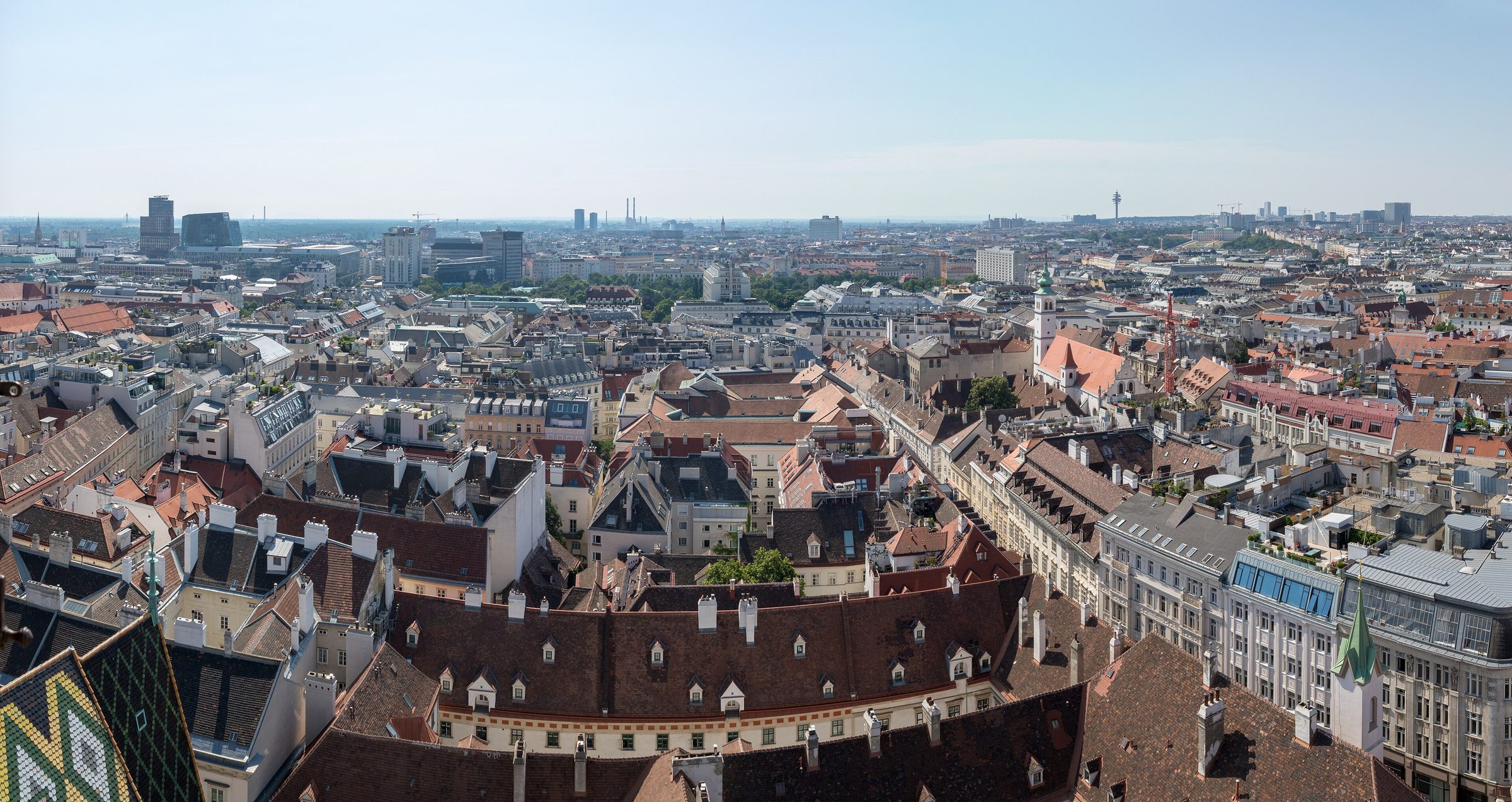
Vienna publishes every rule it runs on.
Vienna runs on rules — fares, bins, registration, opening hours. We write what is checkable, name the office that decides it, and say who claims anything we did not verify ourselves.
Photograph by Dietmar Rabich, Wikimedia Commons, CC BY-SA 4.0

Population as of 1 January 2025 and area: City of Vienna, Municipal Department 23. Green share is the city’s own figure of roughly 200 km²; other methodologies measuring tree canopy or the inner districts alone return lower numbers, and we say so rather than quoting the flattering one.
What the city is, before the details
Vienna is the capital of Austria and one of its nine federal states — a city and a Bundesland at once, which is why so many rules here are set locally rather than nationally. It sits on the Danube in the east of the country, closer to Bratislava than to Salzburg.
The name
The Romans built a garrison here called Vindobona, from Gaulish roots meaning roughly “white base”. The German Wien is usually traced instead to the small river still running through the city, from a Celtic word for a woodland stream.
Both origins predate anything Habsburg by over a thousand years — worth remembering in a city that markets itself almost entirely on the last three hundred.
The shape of the place
The old city sits inside the Ringstrasse, laid over the demolished walls in the 1860s. Around it are 22 further districts numbered in a rough spiral outward, which is why an address ending 1070 is close in and 1220 is not.
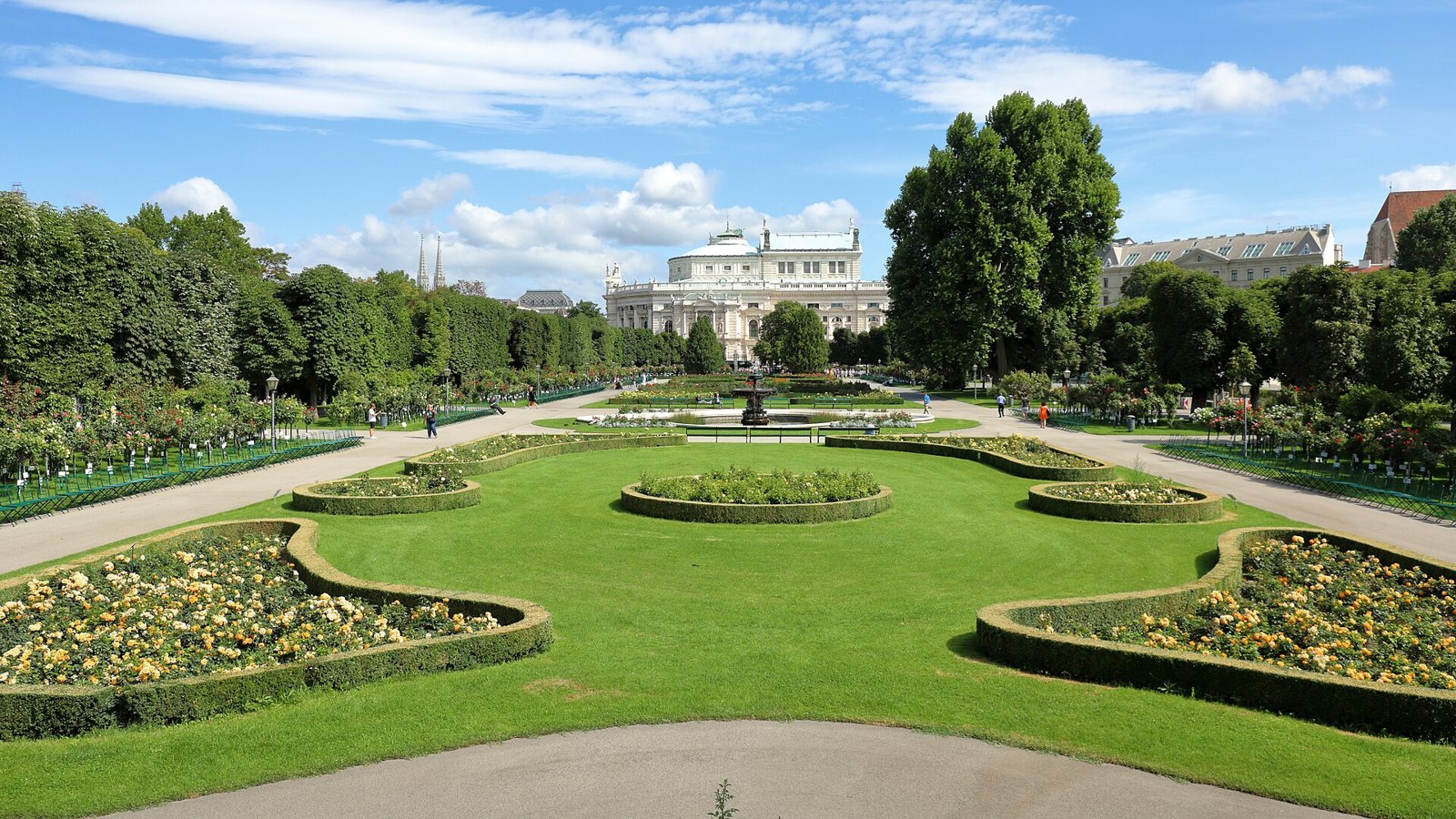
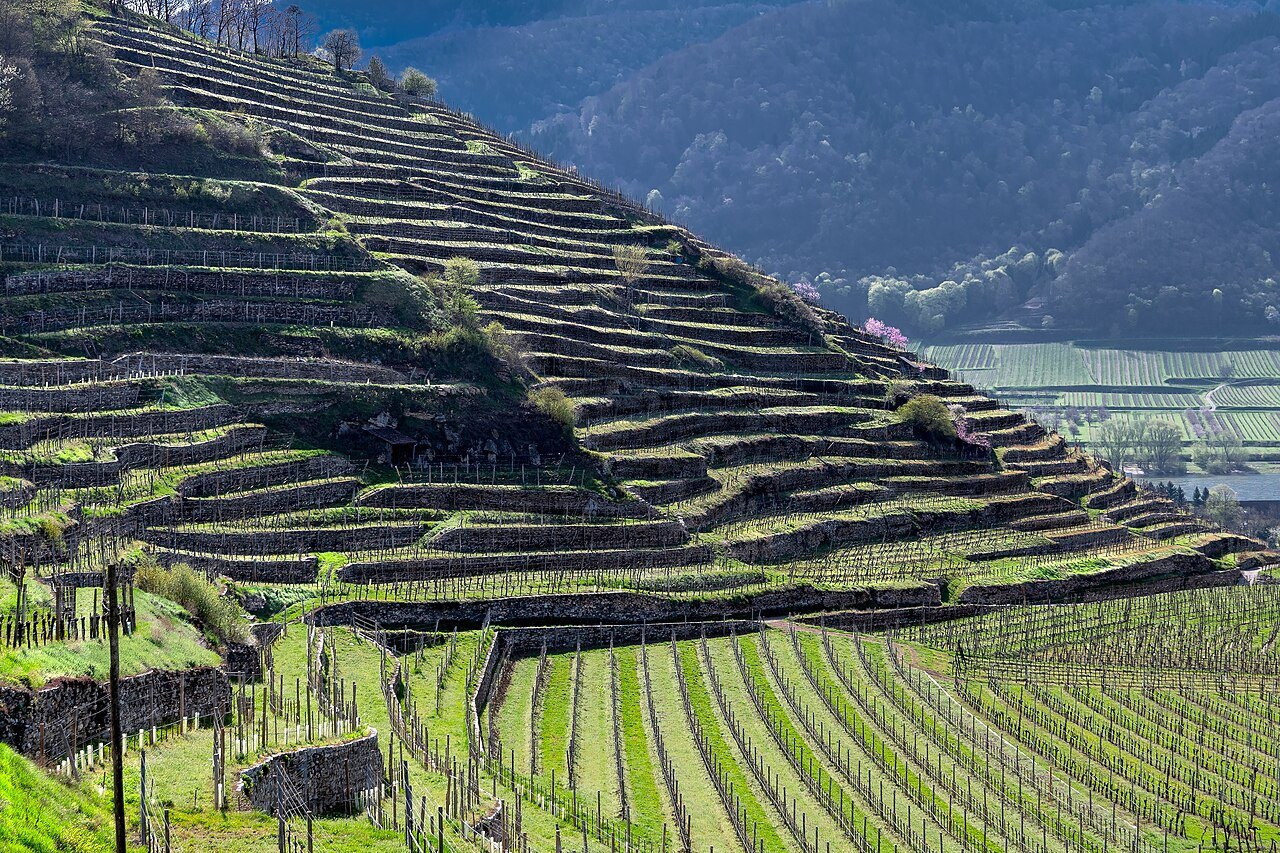
Roughly half the municipal area is green: the Wienerwald west, the Prater and Lobau east, and an unusual amount of working vineyard inside the city limits.
What you actually see
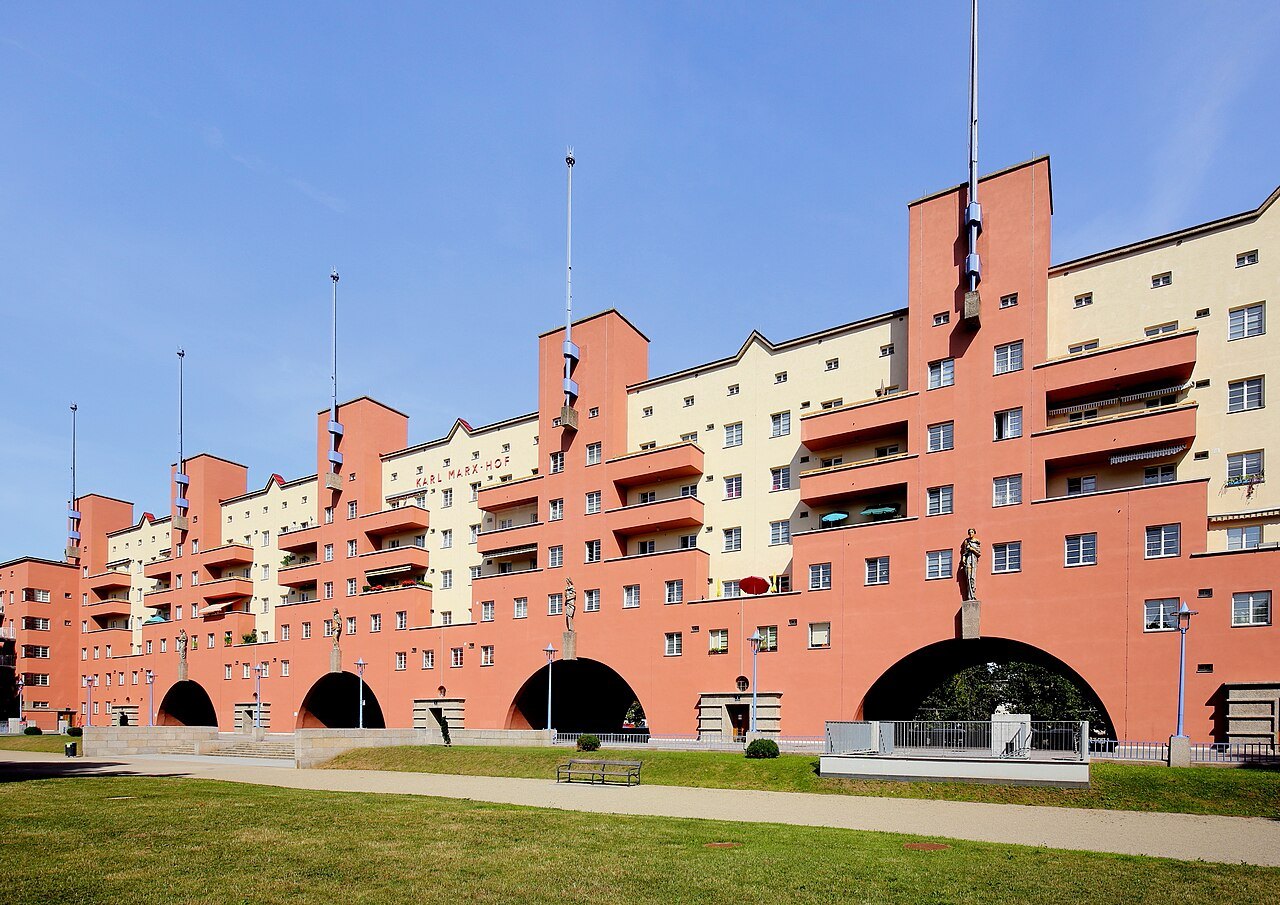
A baroque core built with the confidence of a city that had just survived two sieges, wrapped in a nineteenth-century ring of institutions, wrapped again in the housing that came after 1918.
A very short history
- ~15 ADA Roman military camp, Vindobona, on the frontier of the empire.
- 1278The Habsburgs take Austria. They will hold it, from here, for 640 years.
- 1529 & 1683Two Ottoman sieges. The second fails; the baroque city follows.
- 1857The walls come down. The Ringstrasse replaces them.
- 1918The empire ends. A capital built for 50 million governs 6 million.
- 1919–34“Red Vienna” — municipal housing still lived in today.
- 1945–55Occupied in four sectors, then neutral and whole again.
The weather, honestly
Four real seasons with a continental edge. July averages about 21 °C, January about 0 °C, with roughly 675 mm of precipitation a year — drier than Salzburg and less grey than the reputation suggests.
| Summer | ~21 °C in July |
| Winter | ~0 °C in January |
| Rain | ~675 mm a year |
Summer heat is the part visitors underestimate: an August afternoon in a top-floor flat without shutters is a genuine problem, not a joke.
What it costs to be here
Vienna is cheaper to visit than its reputation suggests. A standing place at the Staatsoper is €13, most churches and parks are free, and the museums that charge have free or reduced windows.
Rents behave oddly because about half of Viennese live in some form of social housing — which mostly matters to you as the reason the centre is not hollowed out into holiday lets.
The Sunday problem
Austria’s Öffnungszeitengesetz keeps shops shut on Sundays and public holidays. On weekdays they may open 06:00–21:00, Saturdays 06:00–18:00, and no more than 72 hours in a week. Most close far earlier than the law allows.
The exemptions are what actually matter on the day: shops in railway stations and at the airport — Hauptbahnhof, Westbahnhof, Praterstern — plus museum and theatre shops, may trade on a Sunday. That is where the city buys milk.
Read the full article on Sunday closing →
Rules per the Federal Ministry (business hours), checked September 2026.
The music, and what it actually costs
Vienna’s global reputation rests on music, and the useful version of that fact is not that Mozart, Haydn, Beethoven, Schubert, Brahms, Mahler and both Strausses worked here — it is that the institutions they wrote for are still operating, still nightly, and cheaper to get into than almost anyone expects.
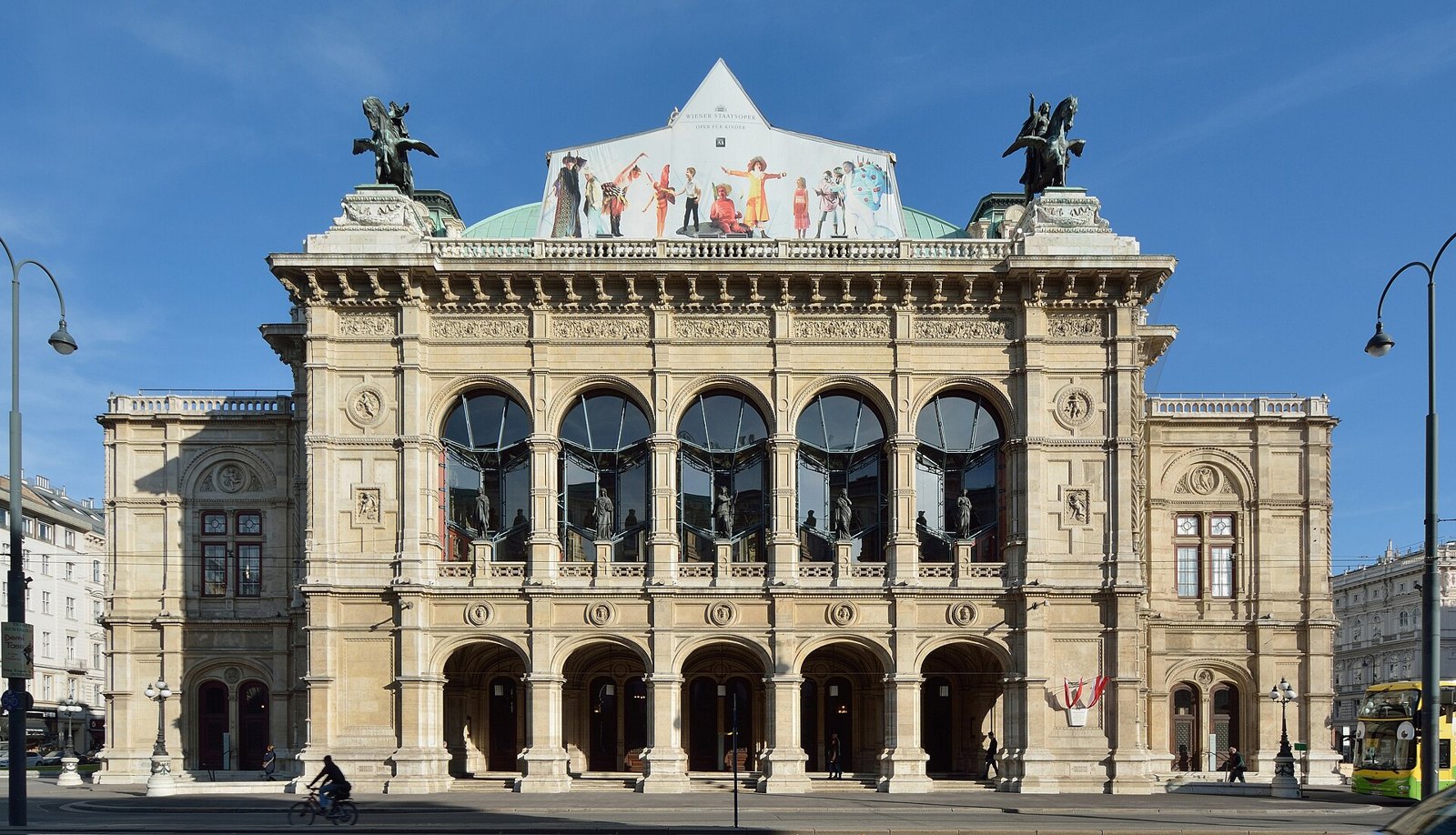
The Staatsoper sells 567 standing places for every performance, from €13 in the balcony, €15 in the gallery and €18 at the back of the stalls. They go online at 10:00 Vienna time, and the rest are sold at the separate Stehplatz window on the Operngasse side, opening 80 minutes before curtain. Every standing place has its own subtitle screen at the rail.
The New Year’s Concert cannot be bought at all. It is a ballot, drawn on the Vienna Philharmonic’s own site, with applications open only during February for the following year — two tickets maximum, and no amount of planning improves your odds. Anyone selling you one outside that draw is selling you something else.
The composers themselves are mostly at the Zentralfriedhof, in the honorary graves in Group 32A — Beethoven, Brahms, Schubert, the Strauss family — which is a tram ride and free to walk into. Prices and times as published for 2026; confirm with the house before you travel.
The concert halls are sights in their own right
Most of these you can look round in daylight without a ticket to anything, which makes them the rare Vienna sight that is worth the detour even if you have no interest in the programme.
- StaatsoperOpernring · 1869 Guided tours run about 40 minutes, in German and English at minimum, and take in the auditorium and the imperial intermission rooms. Tour tickets are sold at the box office on the Opernring/Operngasse corner from 30 minutes beforehand, or reserved in advance online. Tours Schedule & tickets
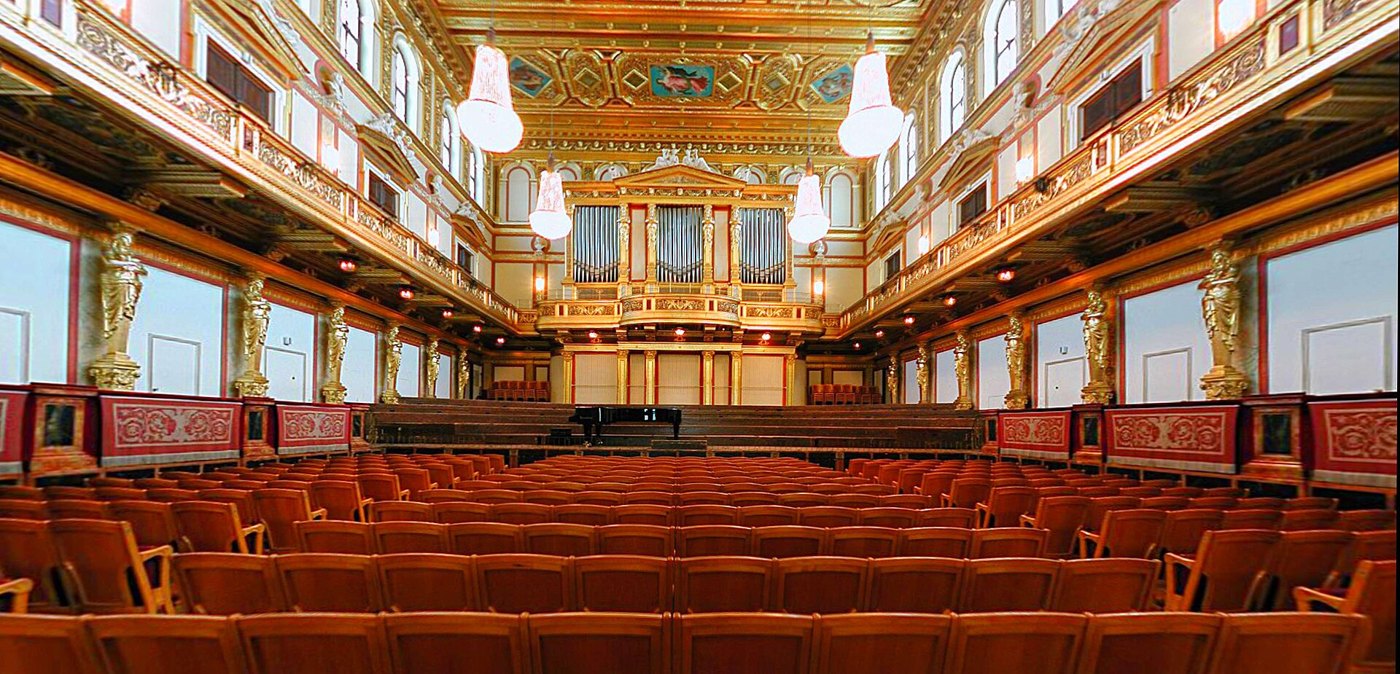
- MusikvereinBösendorferstrasse · 1870 Theophil Hansen’s Goldener Saal — home of the Vienna Philharmonic and the room the New Year’s Concert comes from. Tours run roughly 45 minutes, around €10, less for students. Tours Booking & your visit
- KonzerthausLothringerstrasse · 1913 Fellner & Helmer with Ludwig Baumann. Four halls, the largest seating 1,840. A much wider programme than the Musikverein and generally the easiest of the big rooms to get into. Programme & tickets
- Theater an der WienLinke Wienzeile · 1801 Beethoven’s only opera, Fidelio, had its first performance here on 20 November 1805. Now programmed as an opera house again. Official site
- VolksoperWähringer Strasse · 1898 Operetta, musicals and opera in German, with its own ensemble. Consistently the cheapest way into a full staged production. Note that its English pages are currently broken — the German schedule works. Schedule (German)
- BurgtheaterUniversitätsring · 1888 Not music, but the same Ringstrasse building programme and the same logic: tours by day, and the cheap seats are genuinely cheap. Official site
The New Year’s Concert ballot is run by the orchestra, not by any agency: the Vienna Philharmonic’s own FAQ is the only place the rules are authoritative.
Tour prices and times change; these are as published for 2026 and worth confirming with the house before you go.
The basics, in one place
Vienna is known above all for music — Haydn, Mozart, Beethoven, Schubert, Brahms and Mahler all worked here — and for the coffee house, which UNESCO listed as intangible cultural heritage in 2011. Also for Klimt and the Secession, for Freud, for Schönbrunn and the Hofburg, and for Sachertorte.
- Country
- Austria. Vienna is both the national capital and one of the nine Bundesländer.
- Language
- German — the Austrian variety, which differs from the German of Germany in everyday words. English is widely spoken.
- Currency
- The euro (€). Cards are accepted almost everywhere, but Vienna is more cash-minded than most of western Europe and small cafés may still want notes.
- Time zone
- Central European Time, UTC+1 — and UTC+2 from late March to late October.
- Population
- About 2 million in the city; roughly 2.9 million across the metropolitan area.
- Arriving
- Vienna International Airport (VIE) is about 18 km southeast, with both the City Airport Train and the ordinary S7 suburban line into town — the S7 is much cheaper and not much slower. Getting here →
- Stations
- Wien Hauptbahnhof handles most long-distance trains; Meidling and Westbahnhof take the rest. All three are on the U-Bahn.
- When to come
- April to June and September to October. Many museums close on Monday, and the opera keeps a summer break. Plans by trip length →
UNESCO inscribed the historic centre in 2001 and listed Viennese coffee house culture as intangible heritage in 2011. Checked 5 September 2026.
One correction, plainly
Vienna is very often called “the world’s most liveable city”. It is not, currently. The Economist Intelligence Unit placed Copenhagen first in 2025, and Mercer’s 2024 ranking placed Zurich first. Vienna came second on both — still remarkable for a city of two million, and also simply what the sources say. We would rather print that than the version everyone repeats.
Photographs above: C.Stadler/Bwag (Commons, CC BY-SA 4.0); Dietmar Rabich (Commons, CC BY-SA 4.0); P e z i (Commons, CC BY-SA 3.0 at).
Sixteen sights, and what each one costs
The gardens, the courtyards and the Ring are free. You pay to go inside — and the opera, which sounds like the expensive one, is the cheapest evening in Vienna if you stand.
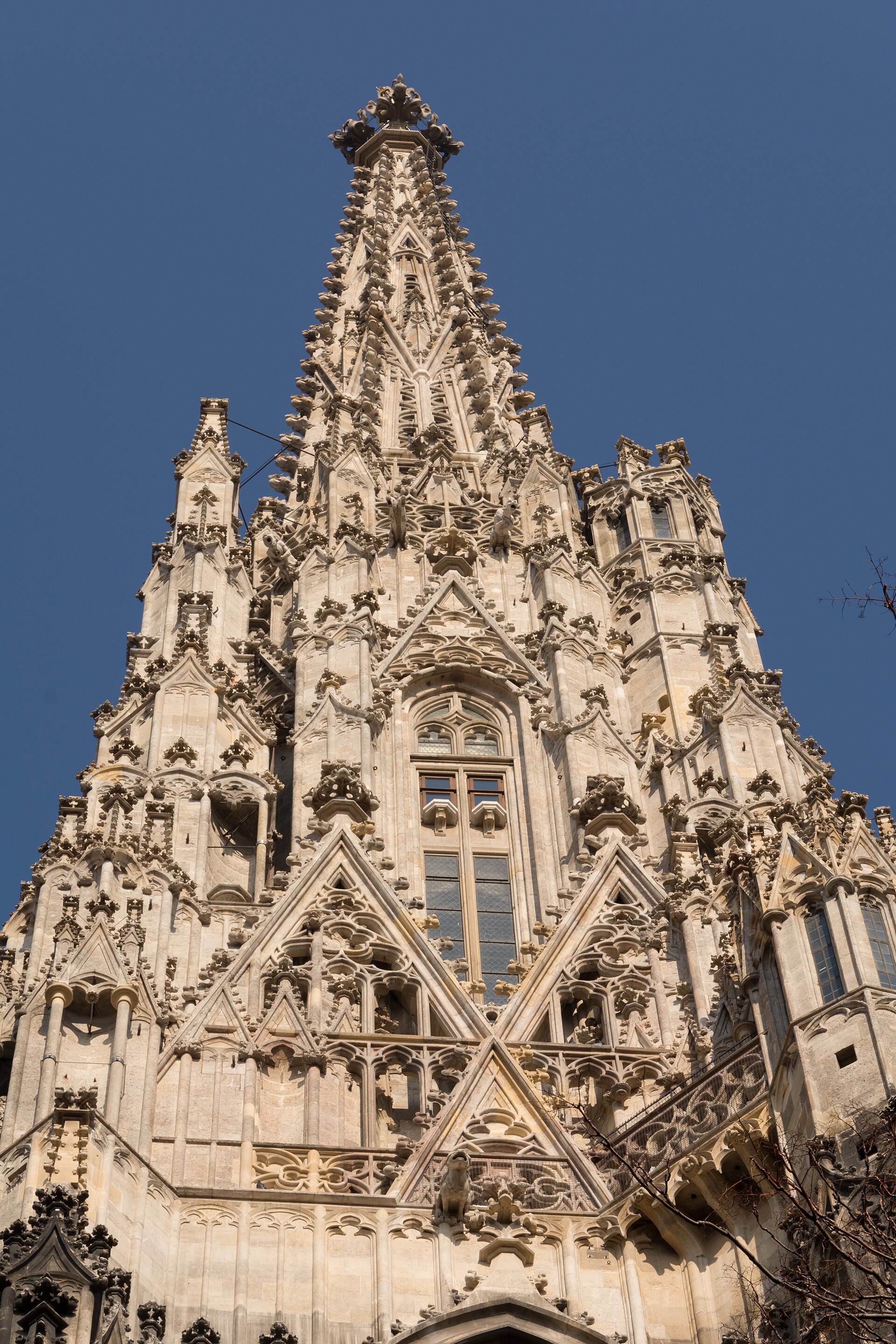 StephansdomFree at the back · two towers, two prices
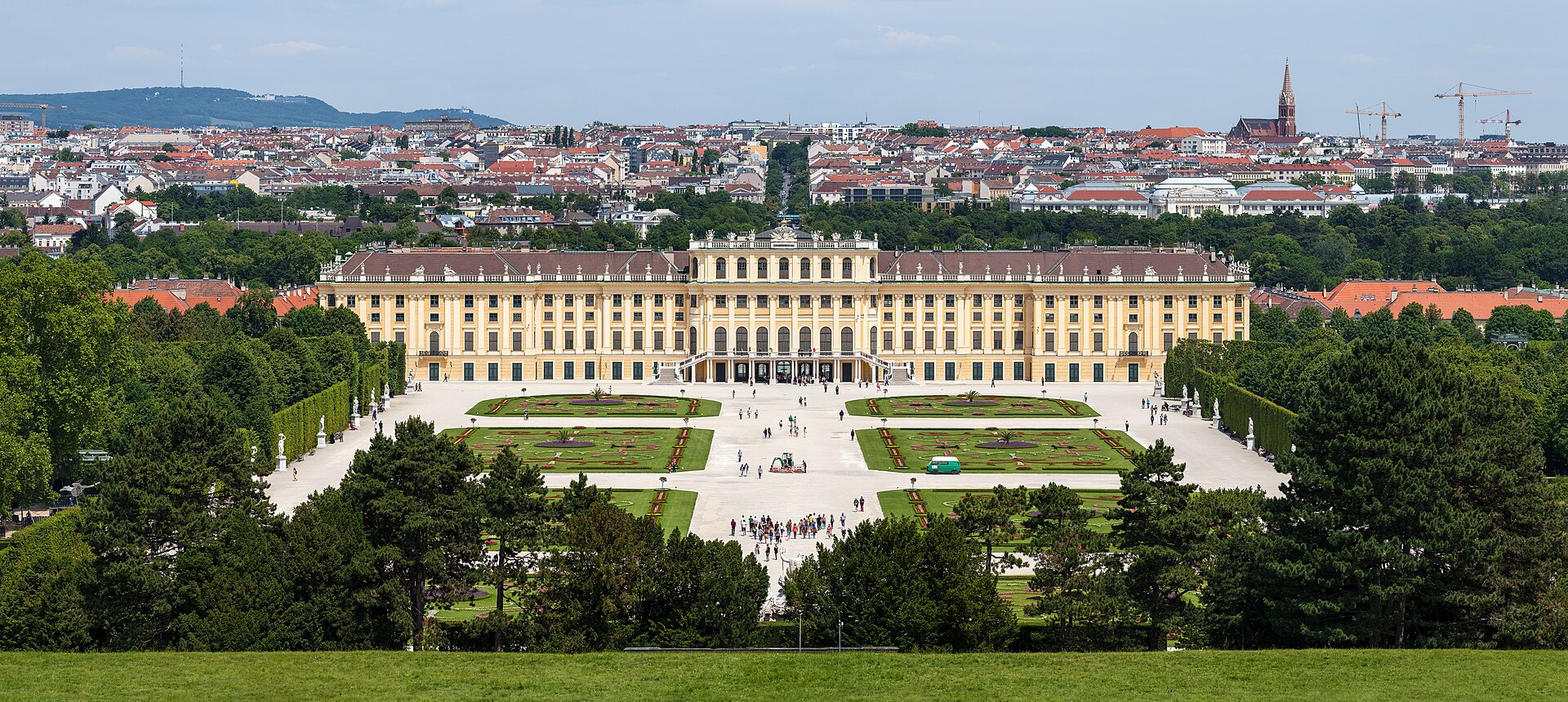 Schönbrunn PalaceGardens free · palace timed entry
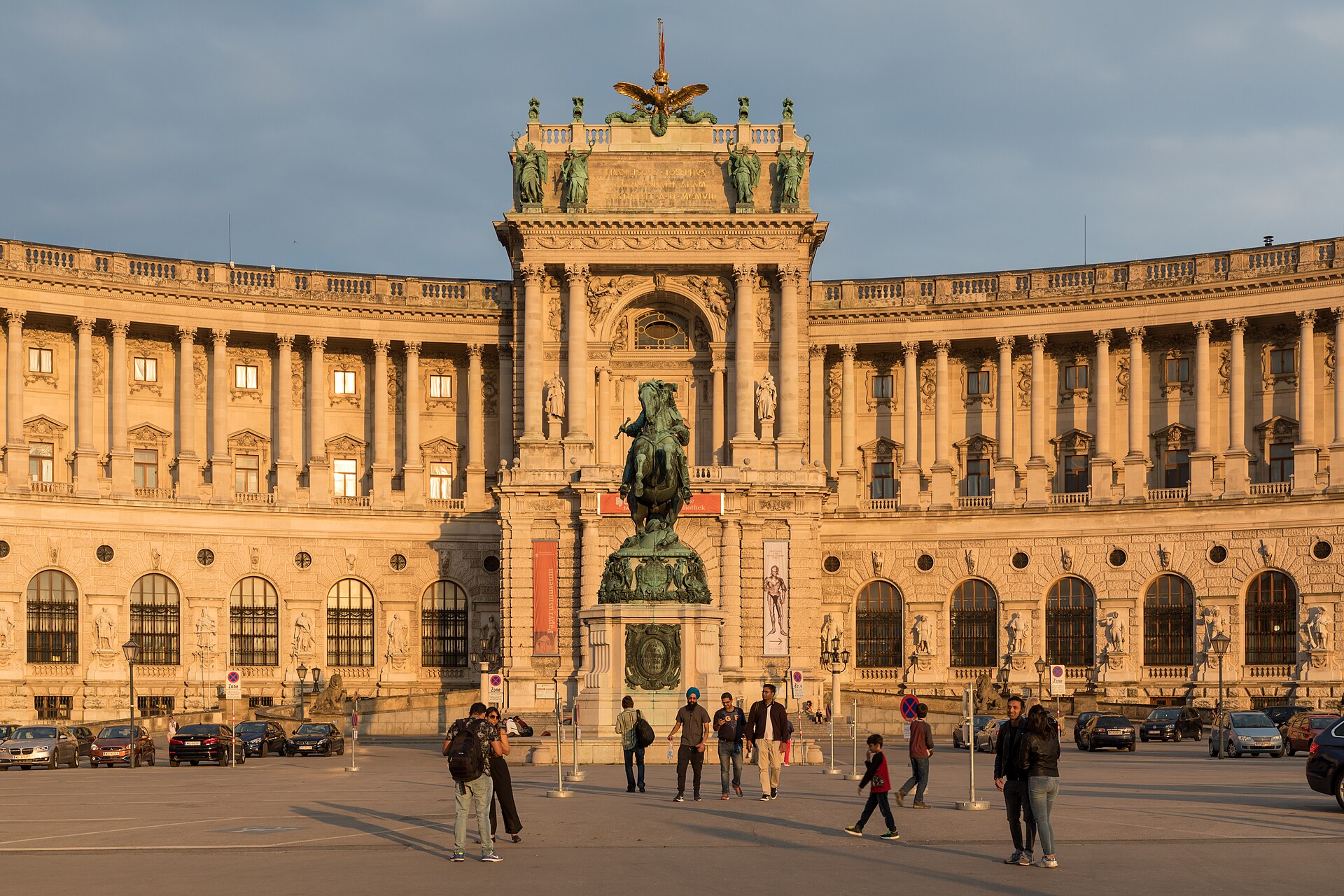 The HofburgCourtyards free · each museum separate
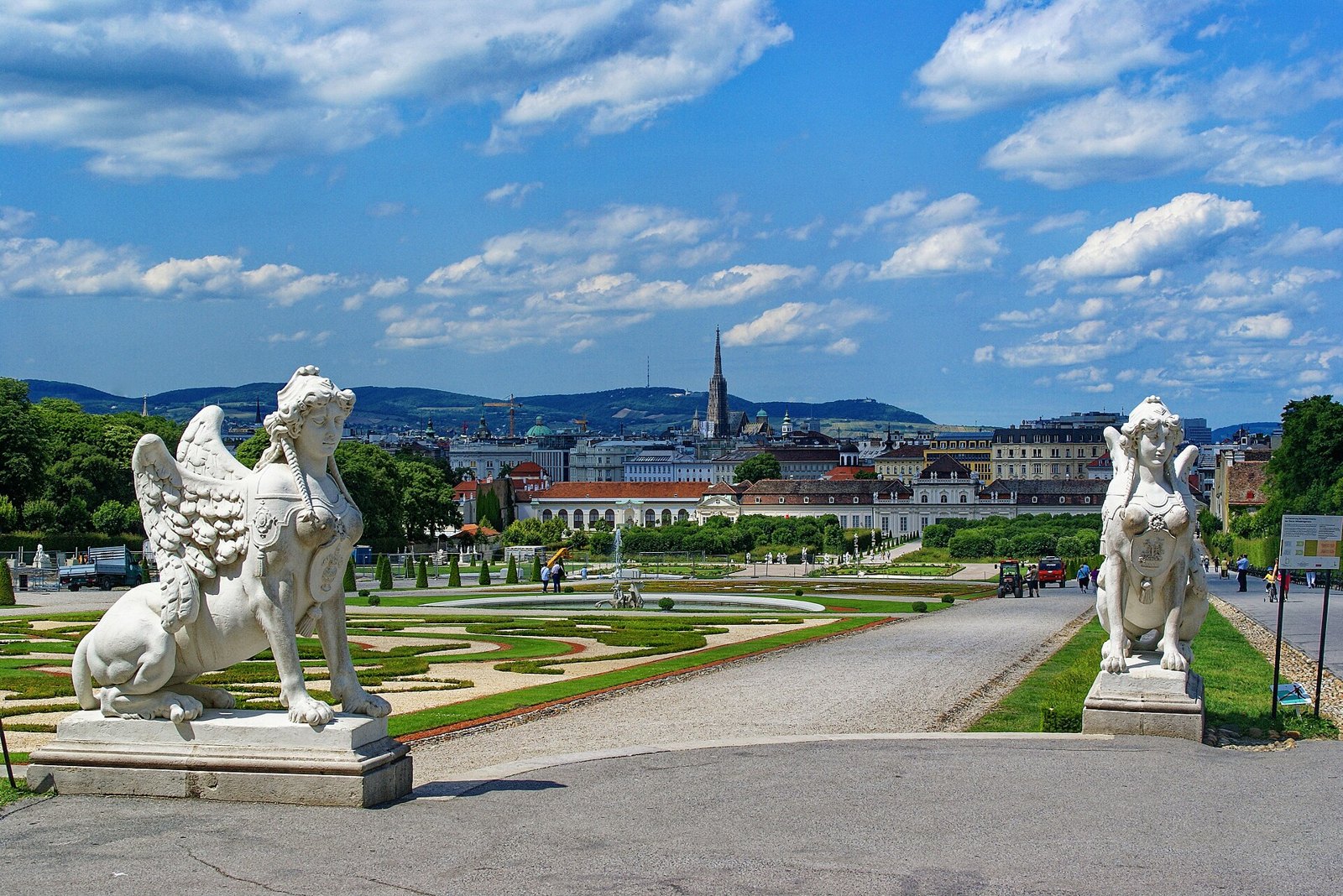
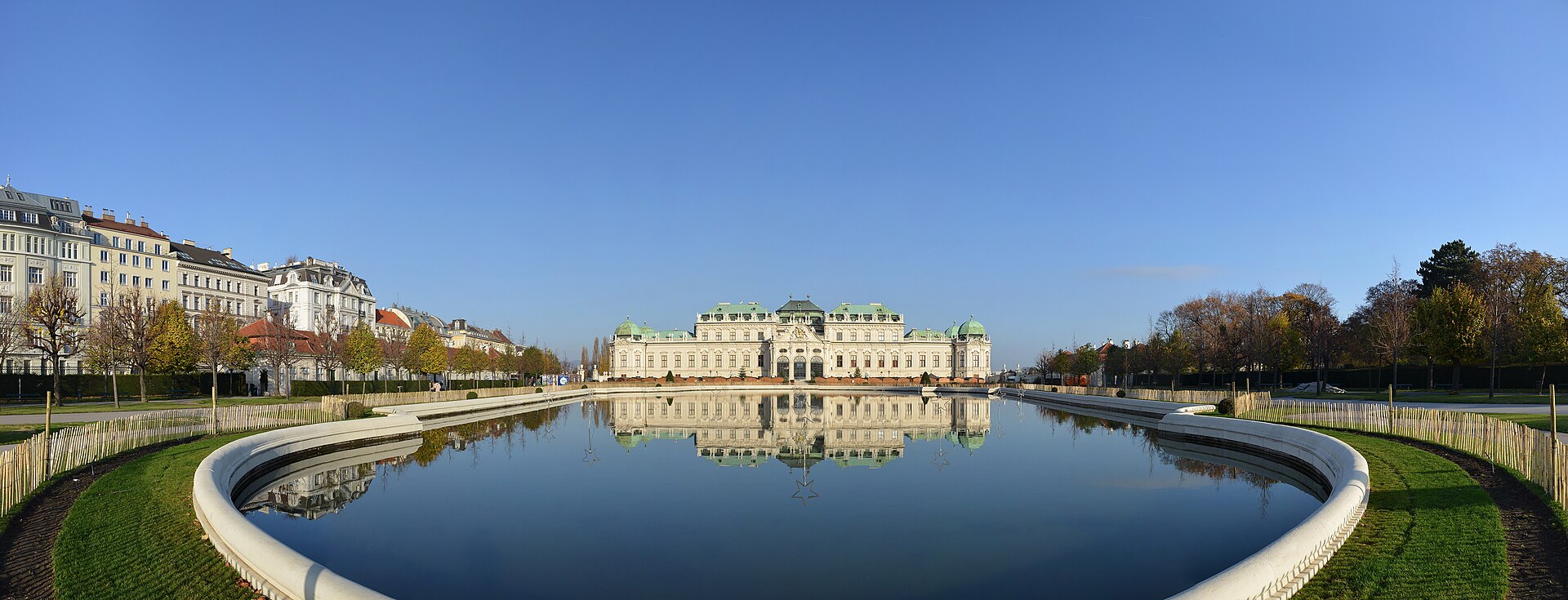 The BelvedereGarden free · the Klimt is upstairs
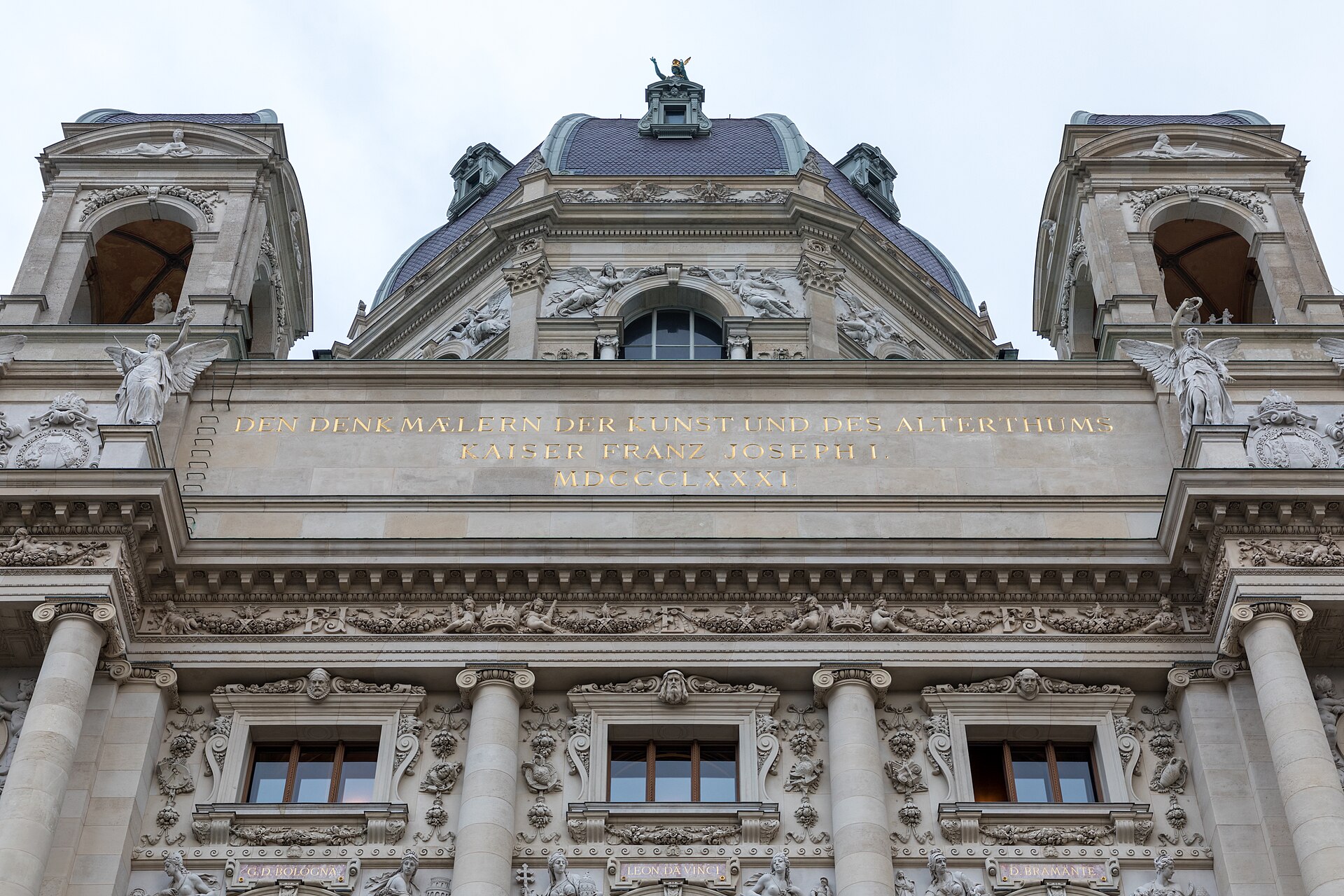 Kunsthistorisches MuseumTicketed · the Bruegel room
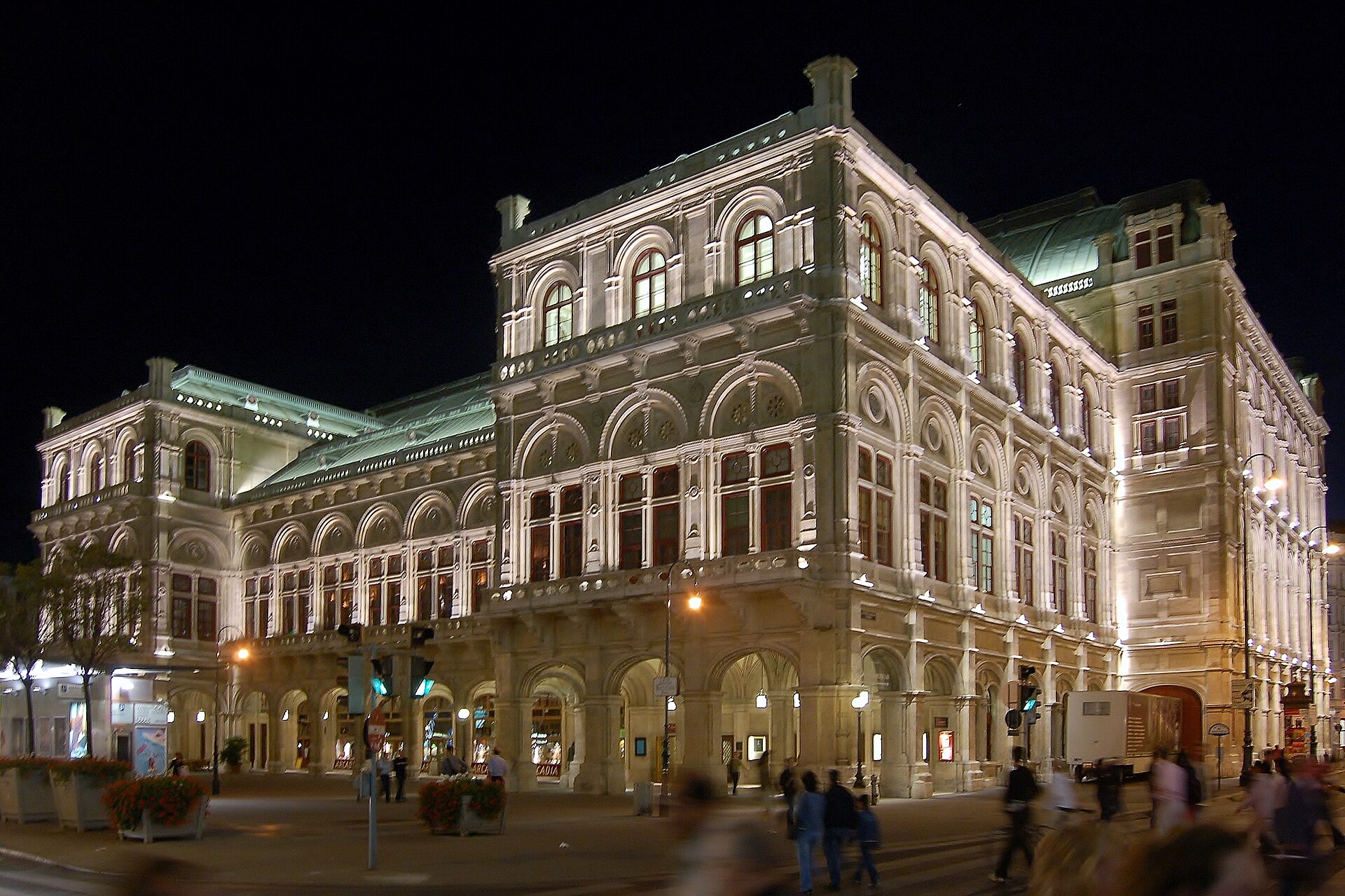 The Vienna State OperaStanding places for the price of a coffee
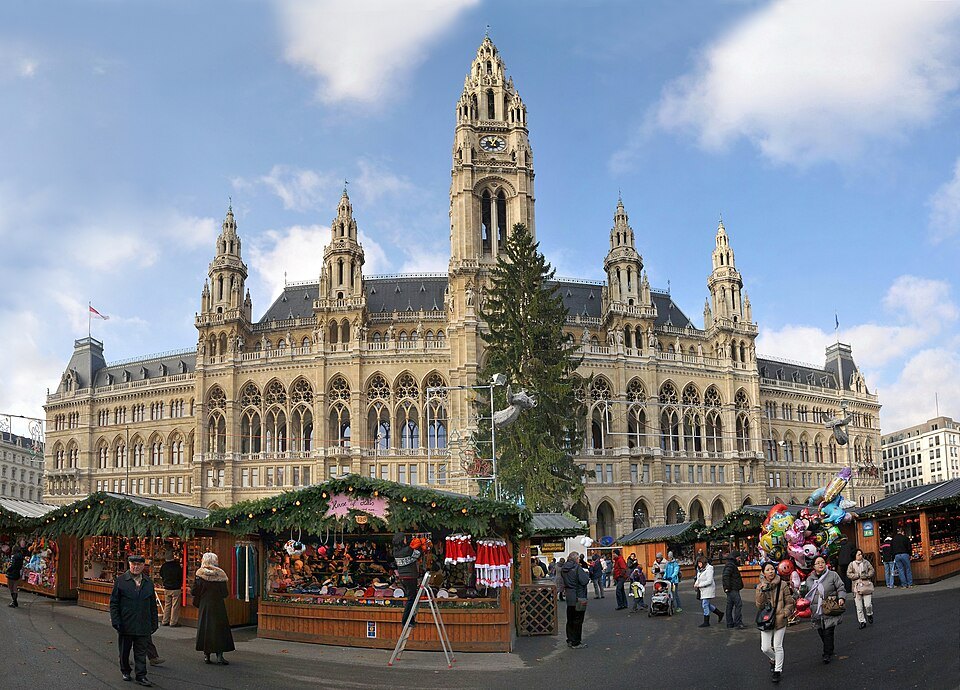
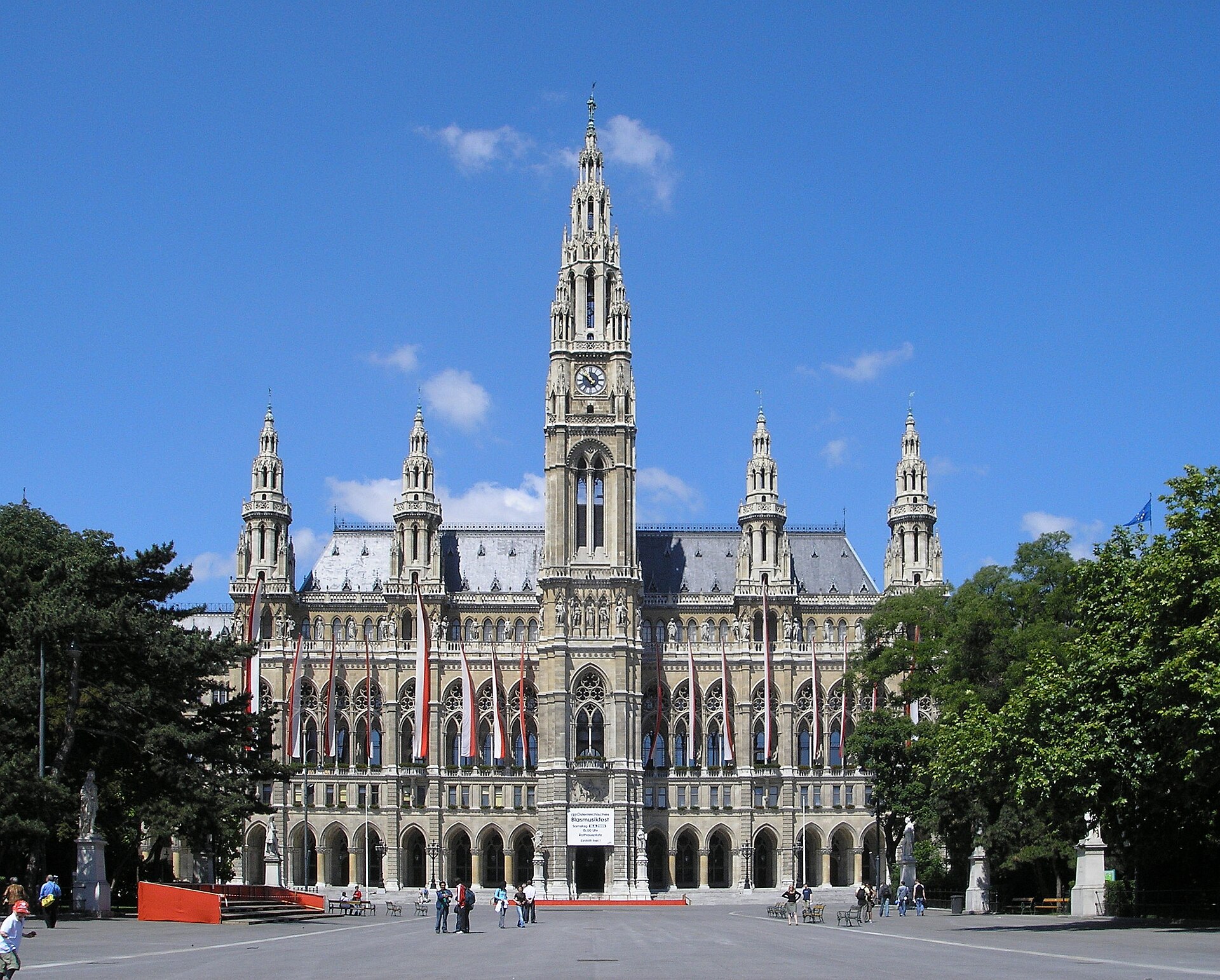 Vienna City HallFree square · free guided tour
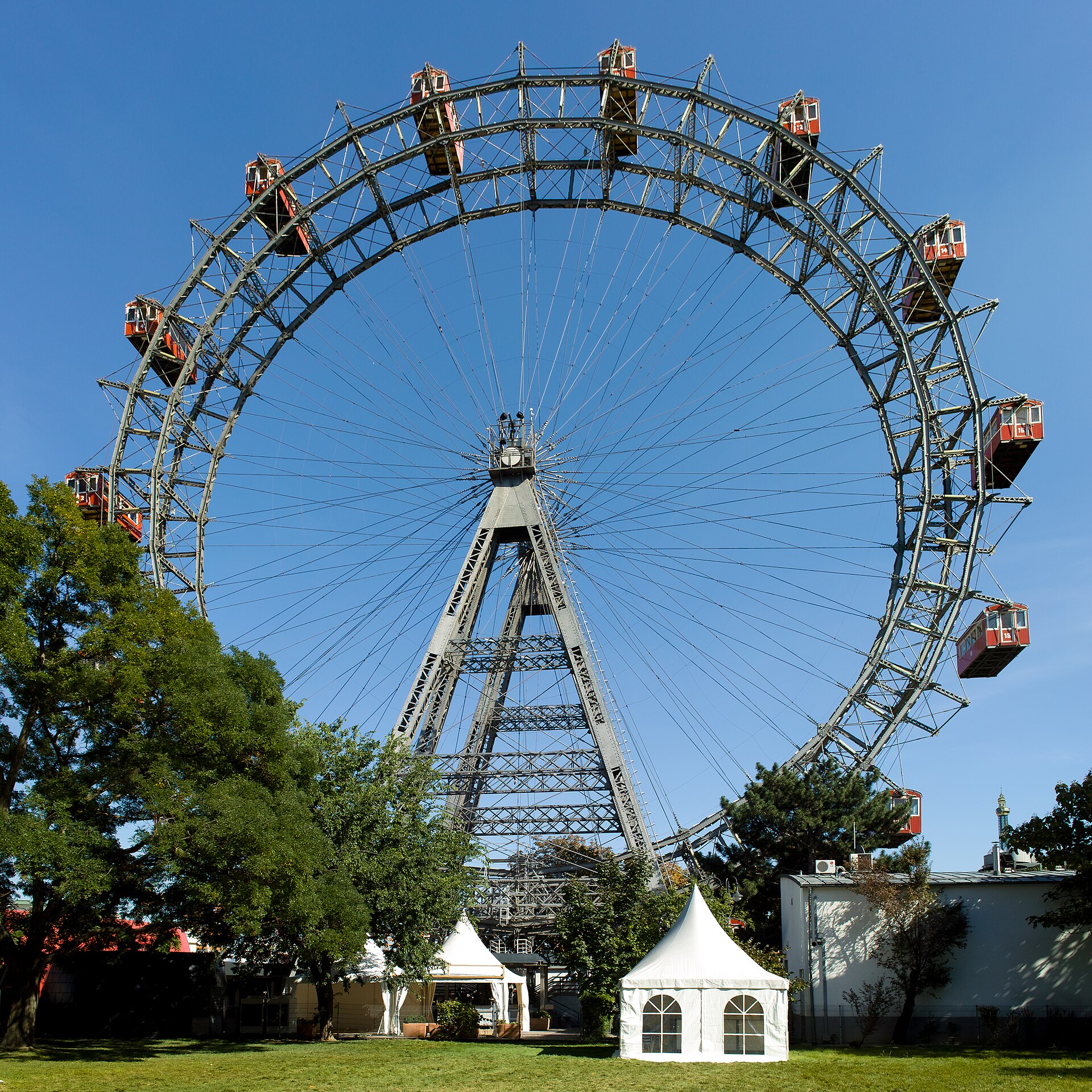 The Prater and the RiesenradPark free · pay per ride
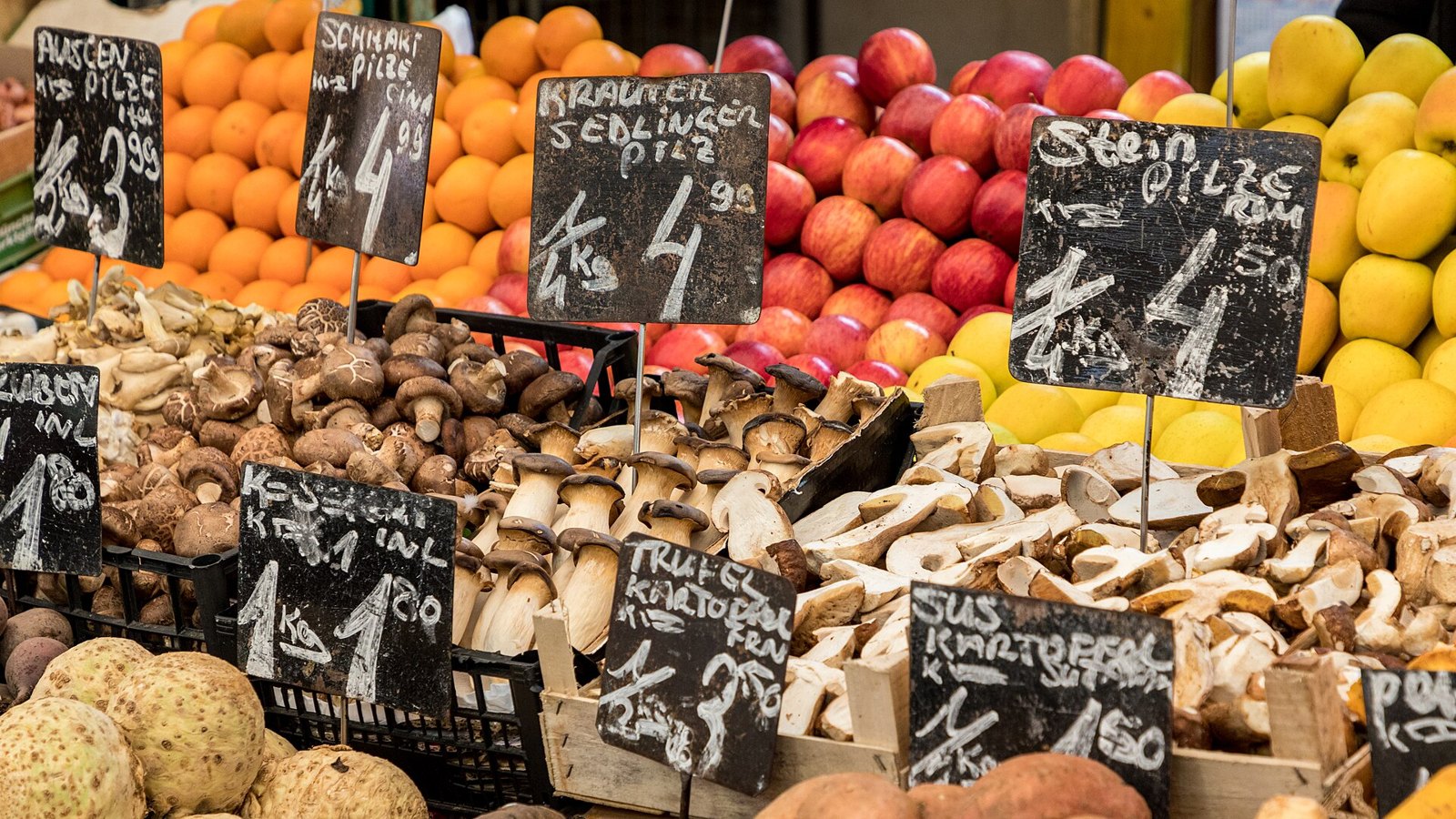
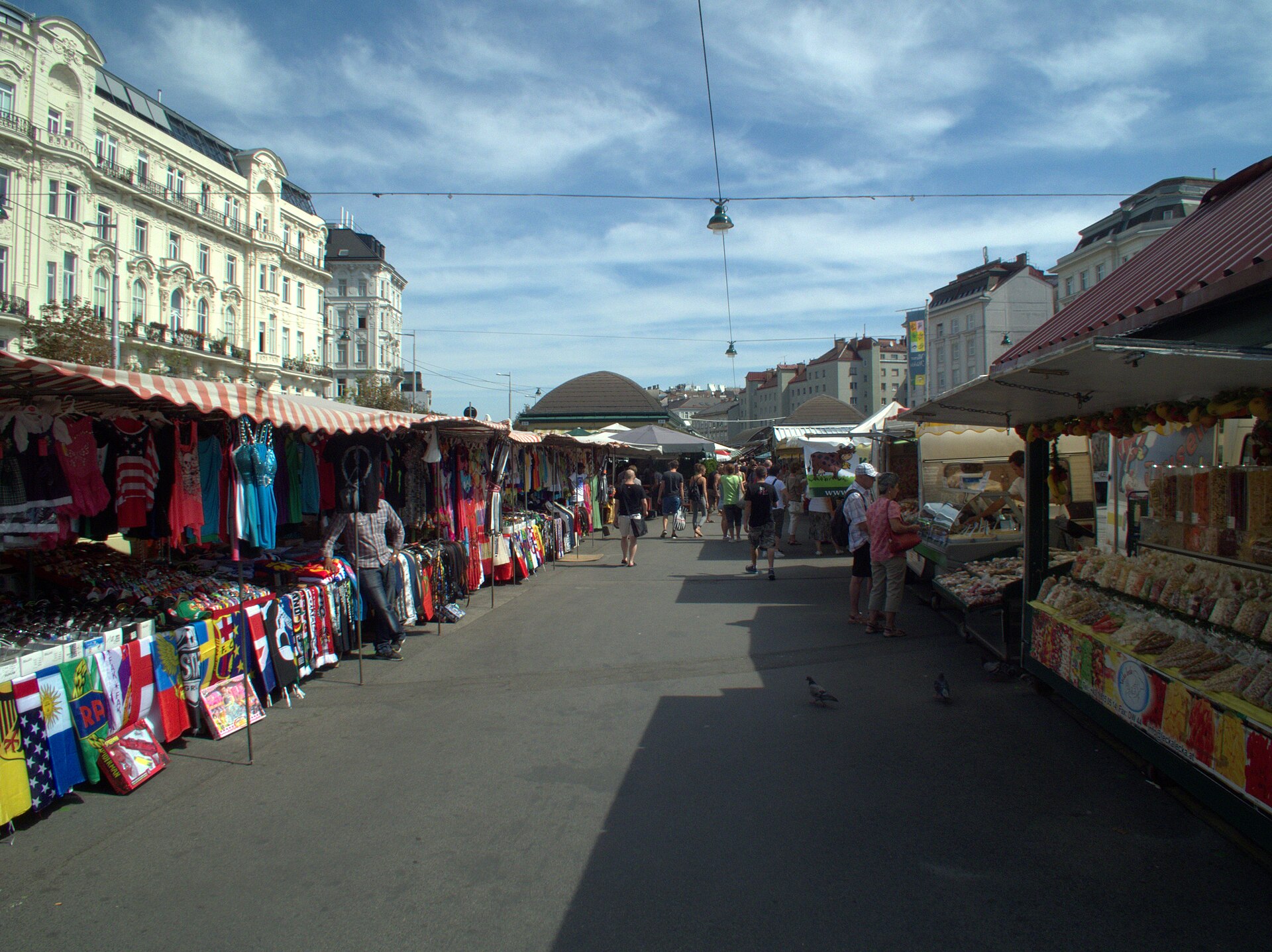 The NaschmarktFree to walk · shut Sunday
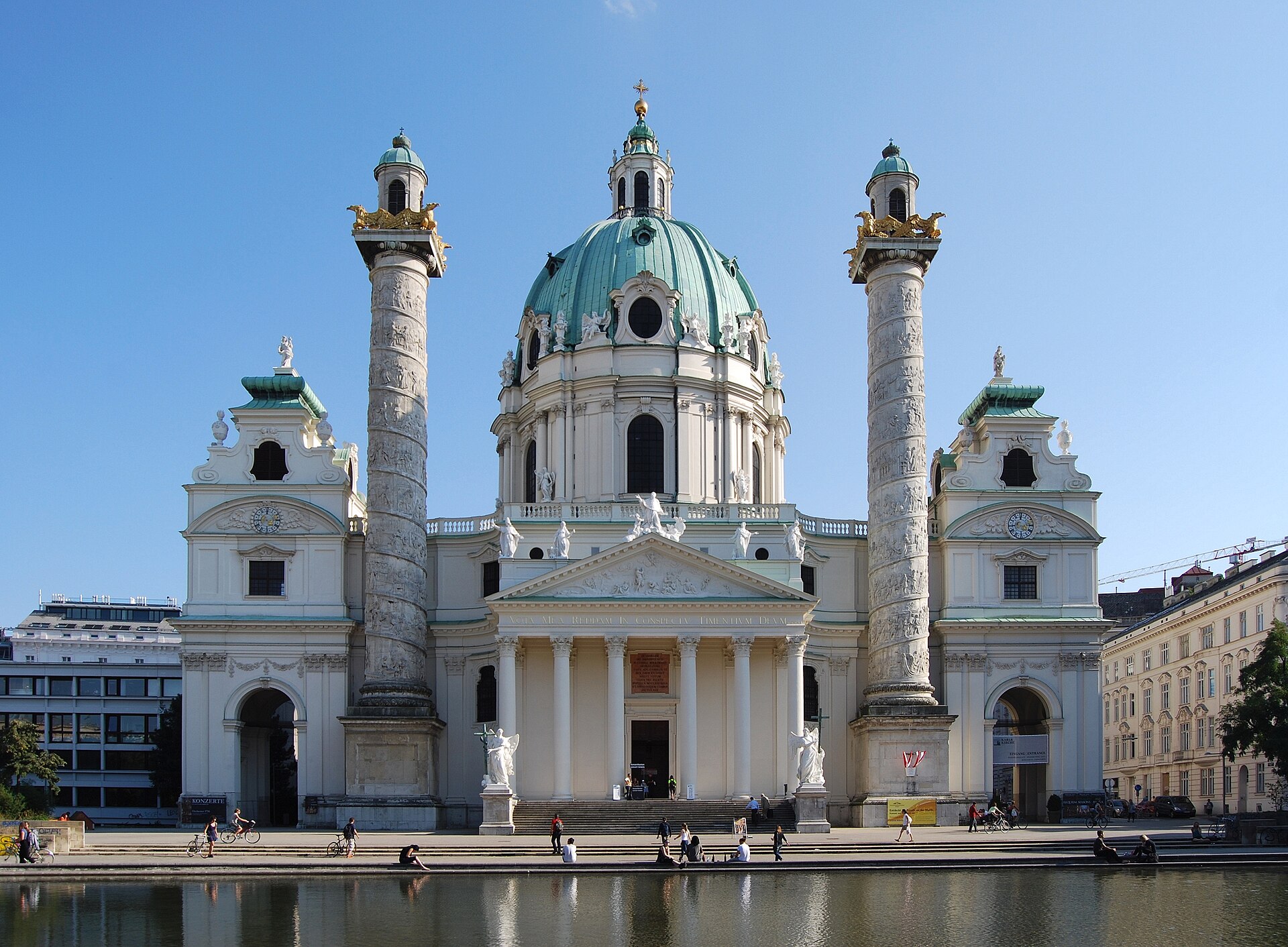 KarlskircheFree outside · lift to the dome inside
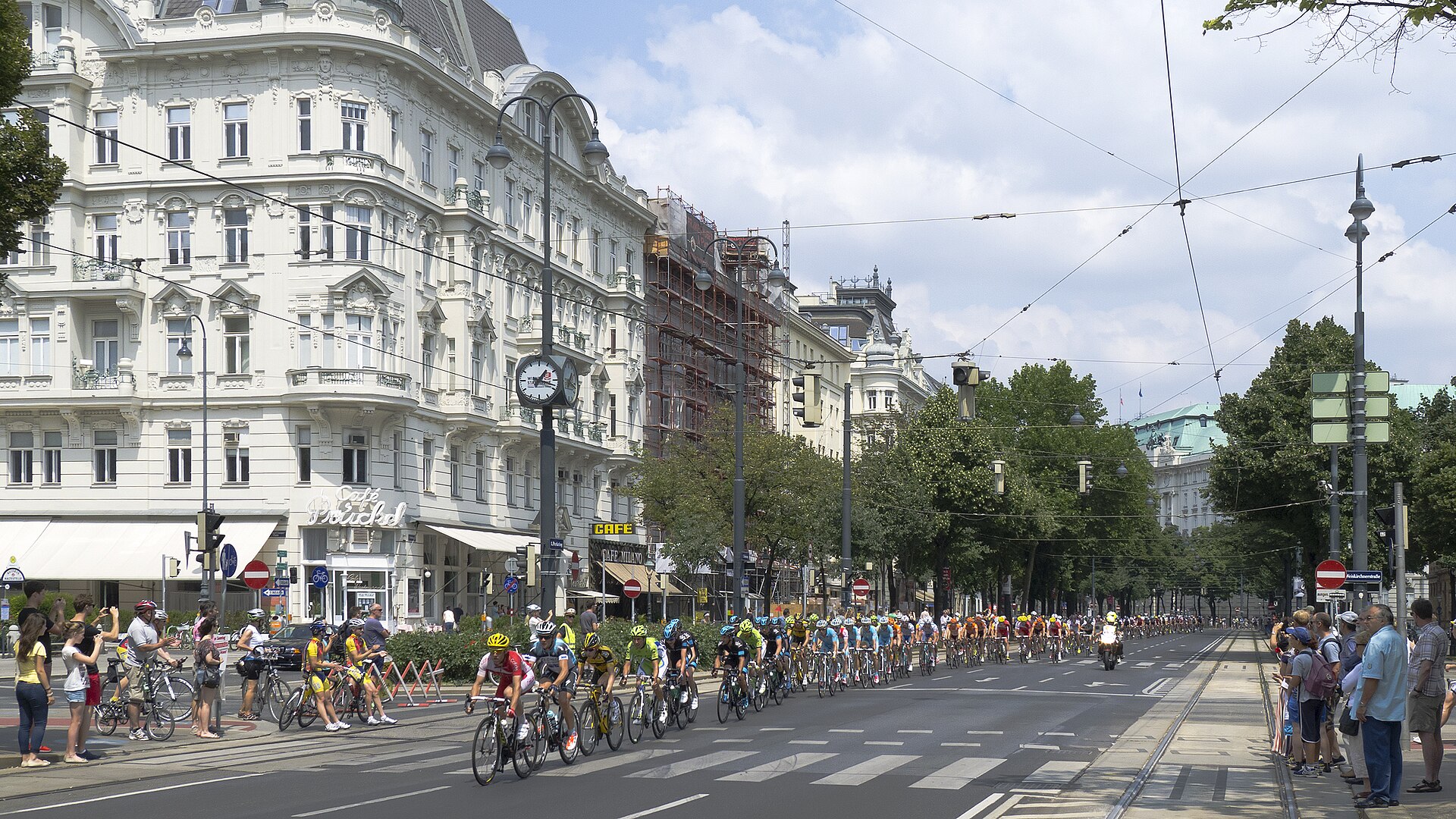 The RingstrasseFree · a tram ticket is the tour
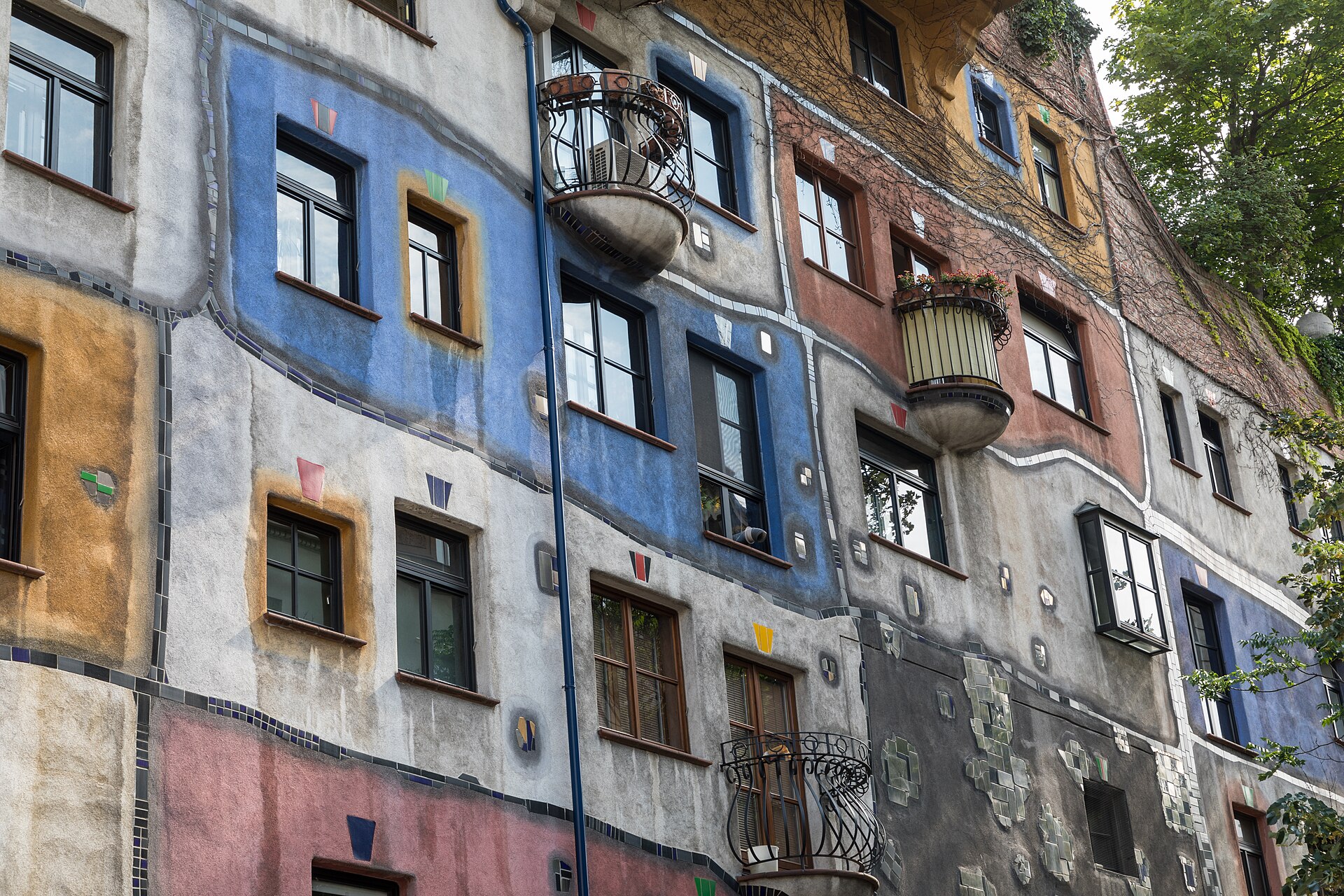 HundertwasserhausFree · no interior to visit
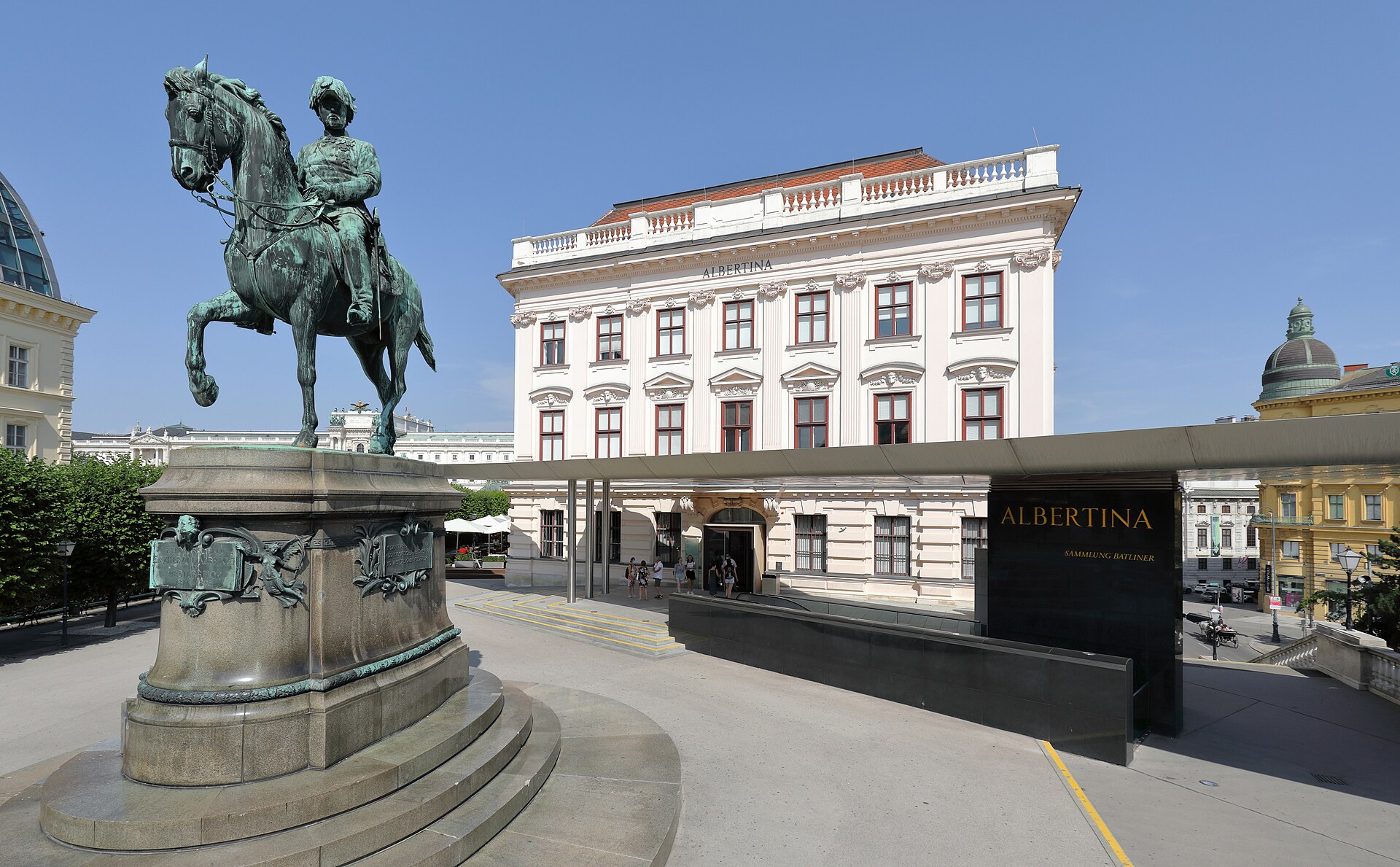 The AlbertinaTicketed · state rooms included
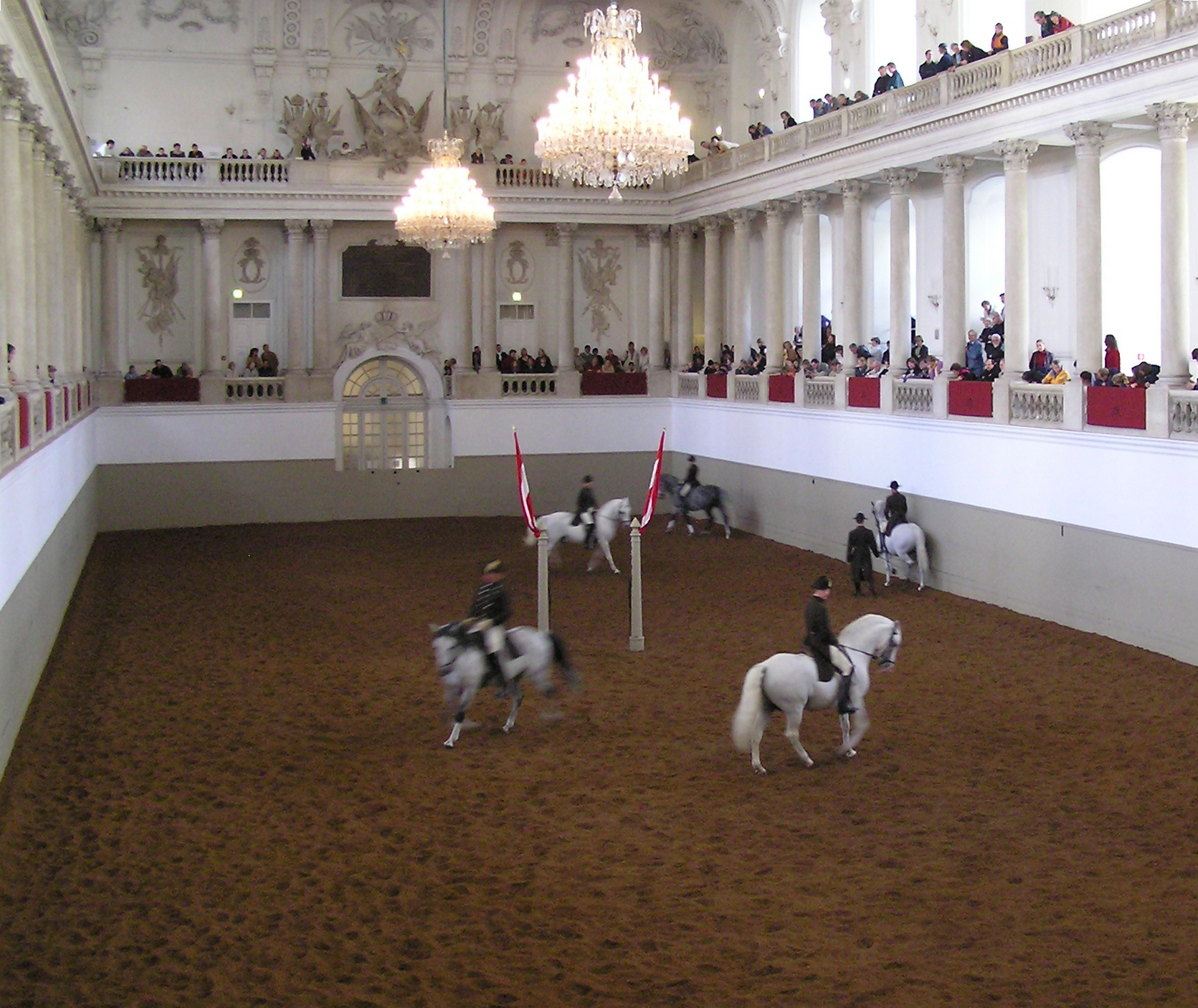 The Spanish Riding SchoolThree tiers · morning exercise is cheap
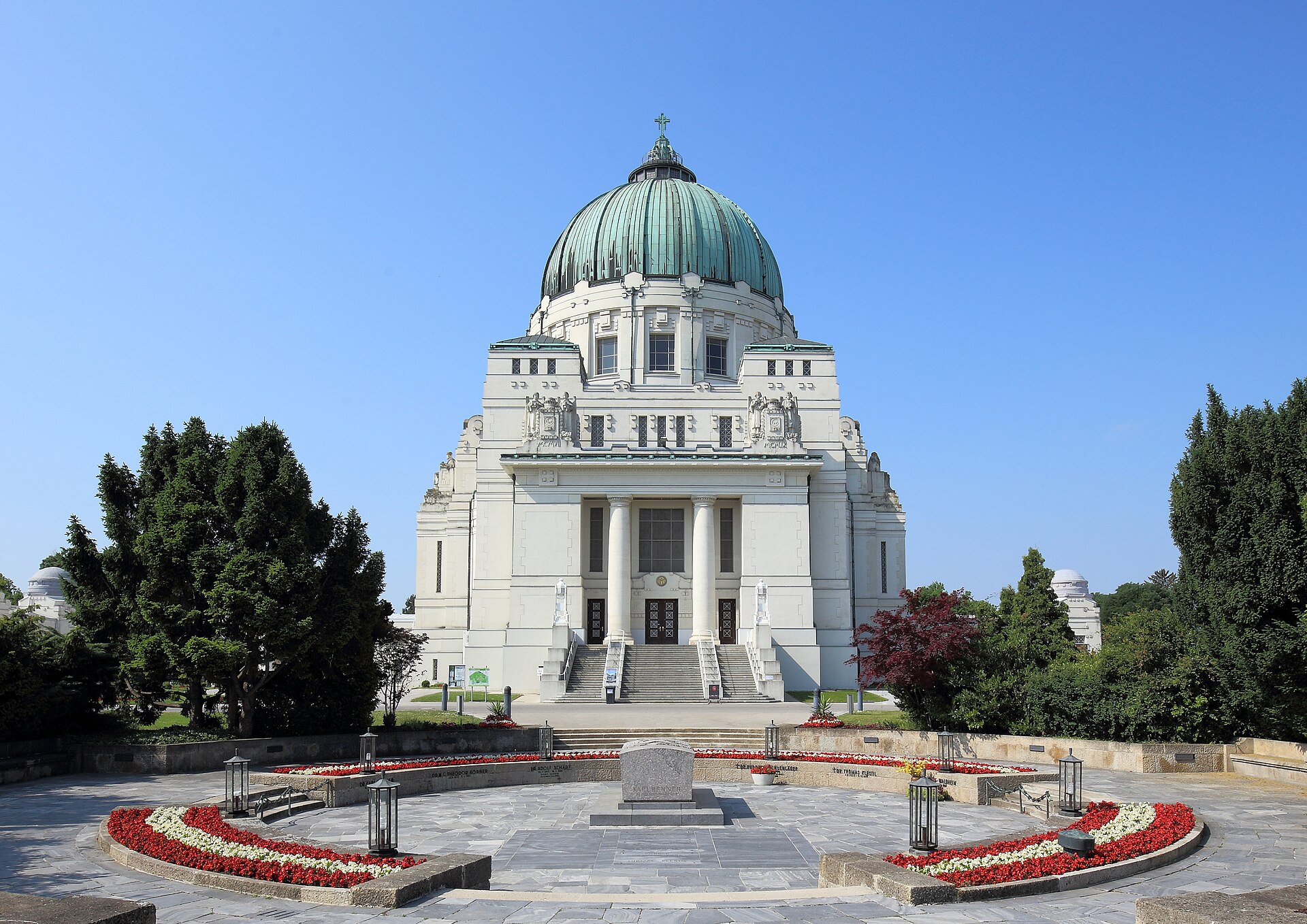 The ZentralfriedhofFree · tram 71
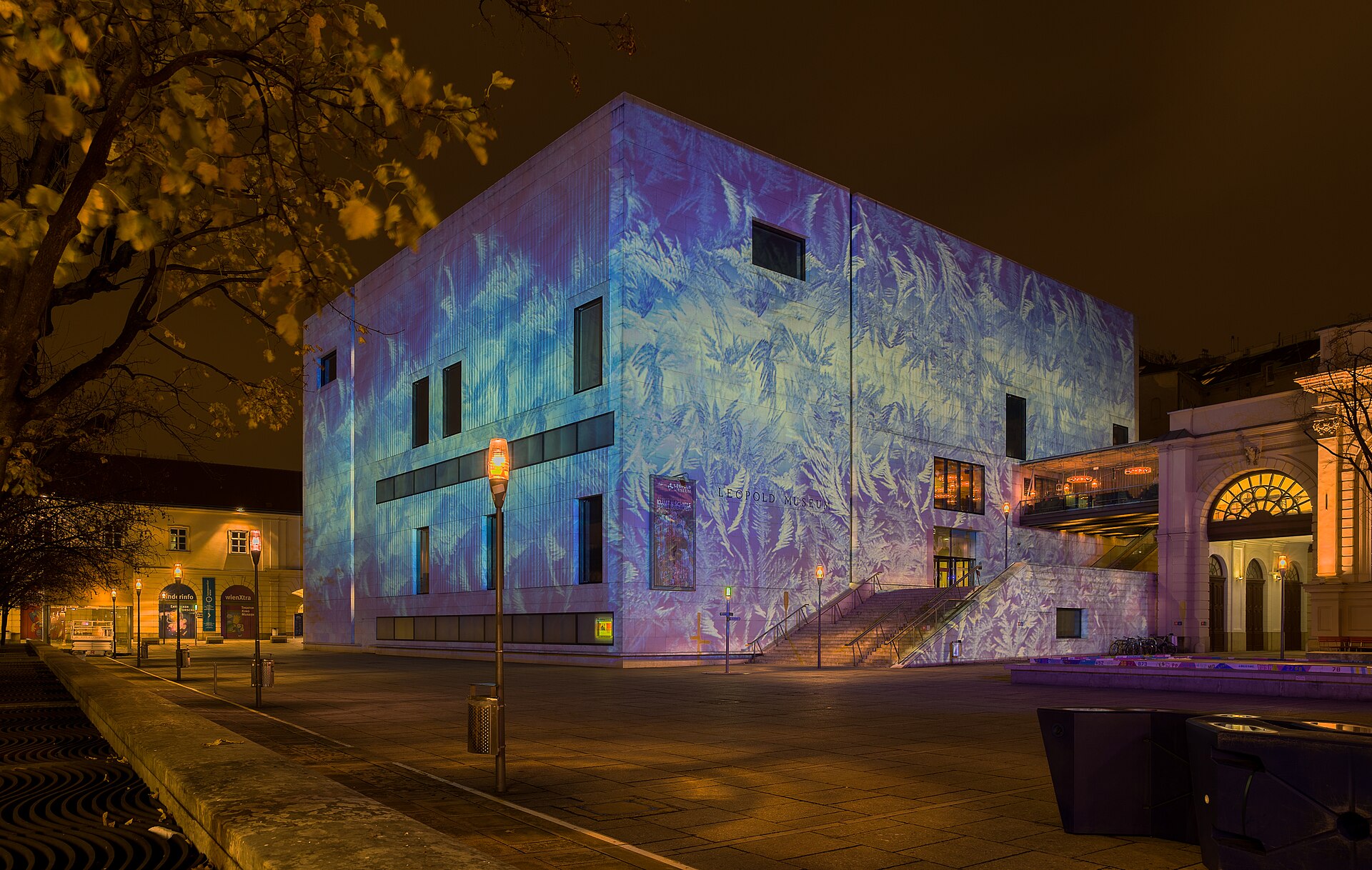 The MuseumsQuartierCourtyard free · museums ticketed
Sight photographs by Uoaei1, Thomas Wolf, www.foto-tw.de, Dietmar Rabich, Bahnfrend, Gryffindor, Robert F. Tobler, DALIBRI, Felix König, Gugerell, C.Stadler/Bwag, sparre and Hubertl, via Wikimedia Commons, under CC BY, CC BY-SA, CC0 and public-domain licences. Each sight’s own page carries its full credit and licence.
All sixteen, with what each ticket covers and when the crowd arrives →
Plans by how long you have
Written plans rather than lists, each built around what is shut on the day you are here. The longer ones add a day out of the city, then a second capital.
Where things live
Eleven sections. Each one is a line, and each article is a stop on it.
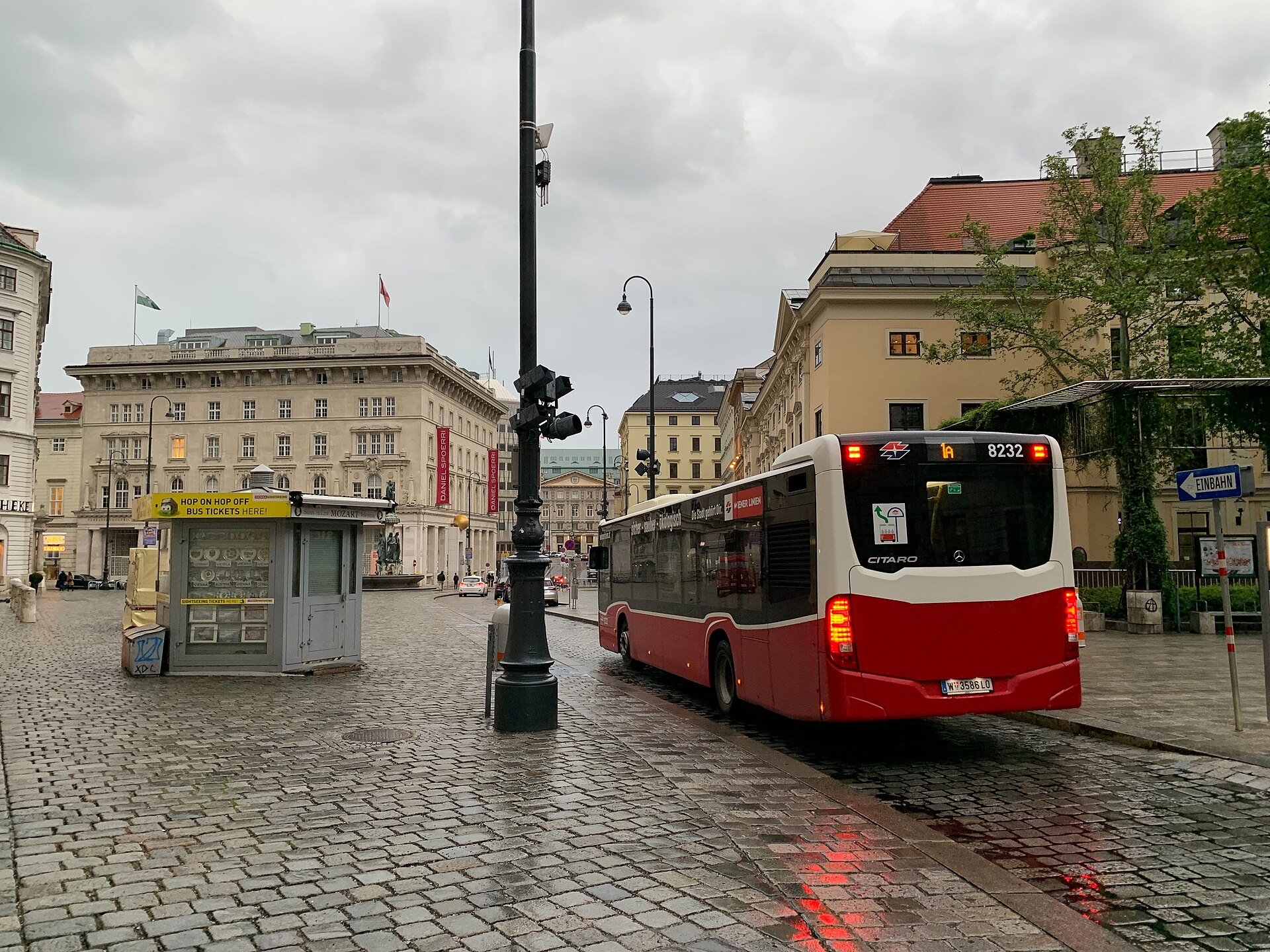
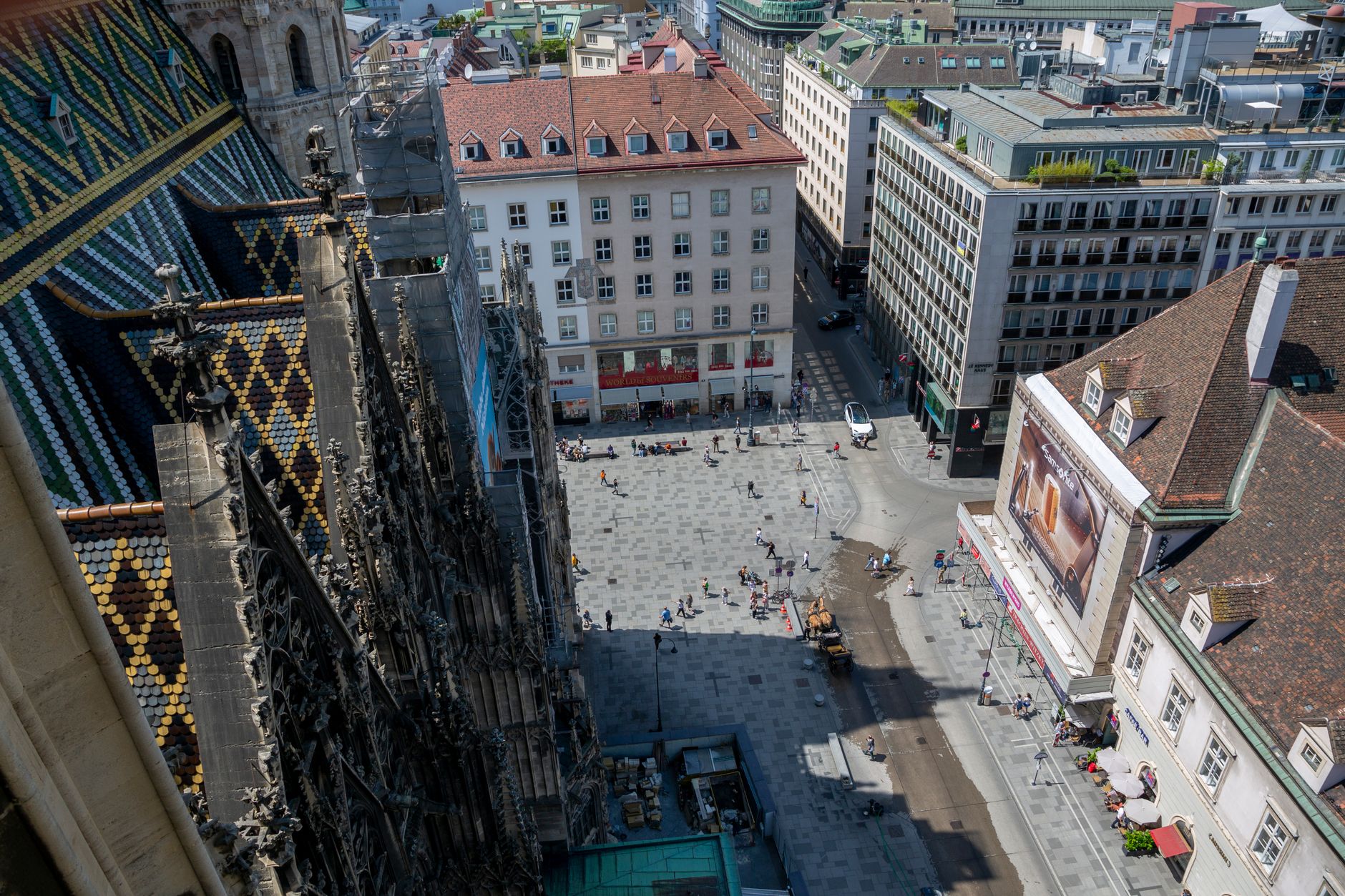
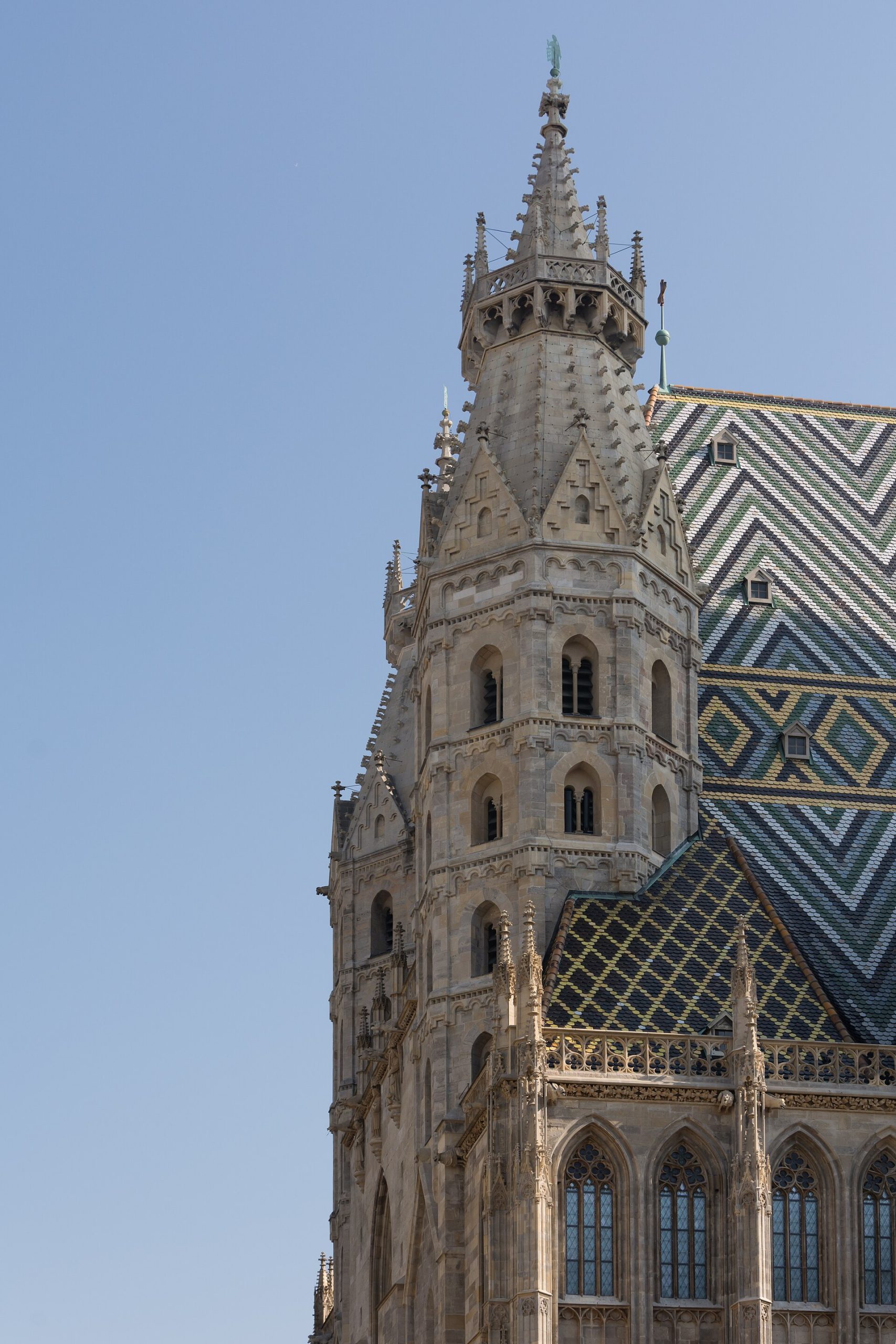
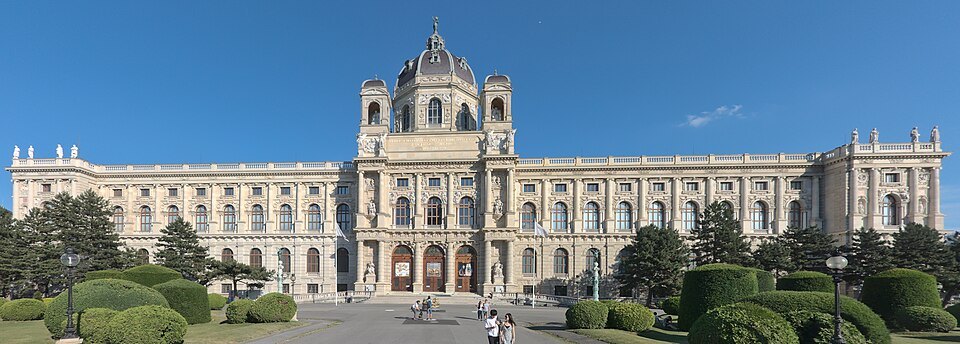
Section photographs: Paul Korecky (CC BY-SA 2.0) · Wikimedia Commons contributor (CC BY-SA 3.0 at) · Dietmar Rabich (CC BY-SA 4.0) · Txllxt TxllxT (CC BY-SA 4.0) · Isiwal (CC BY-SA 4.0) · C.Stadler/Bwag (CC BY-SA 4.0) · Frank Nowotny (CC BY-SA 4.0), via Wikimedia Commons.
Start with a system
Each category is a line, and each article is a stop on it.
Getting Around
fares, lines, ticketsFor most residents, yes — but only past a specific usage threshold. The Wiener Linien annual pass, the Jahreskar…
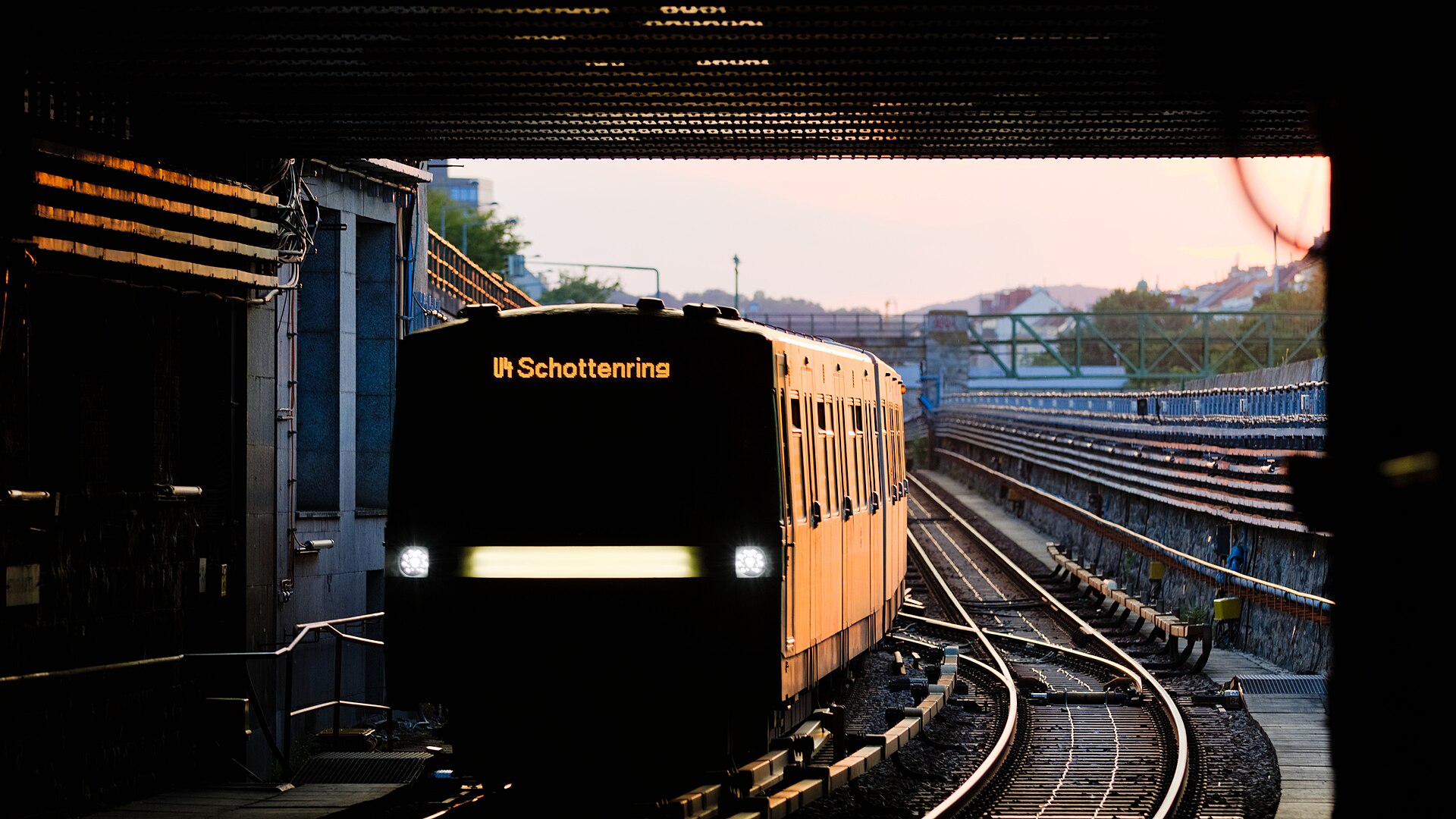
How does Vienna’s public transport fare system work? Vienna runs a zone-based fare system operated by Wiener Lin…
Living in Vienna
the rules of the buildingWhy is so much of Vienna closed on a Sunday? Most shops in Vienna close on Sunday because of the Öffnungszeiteng…
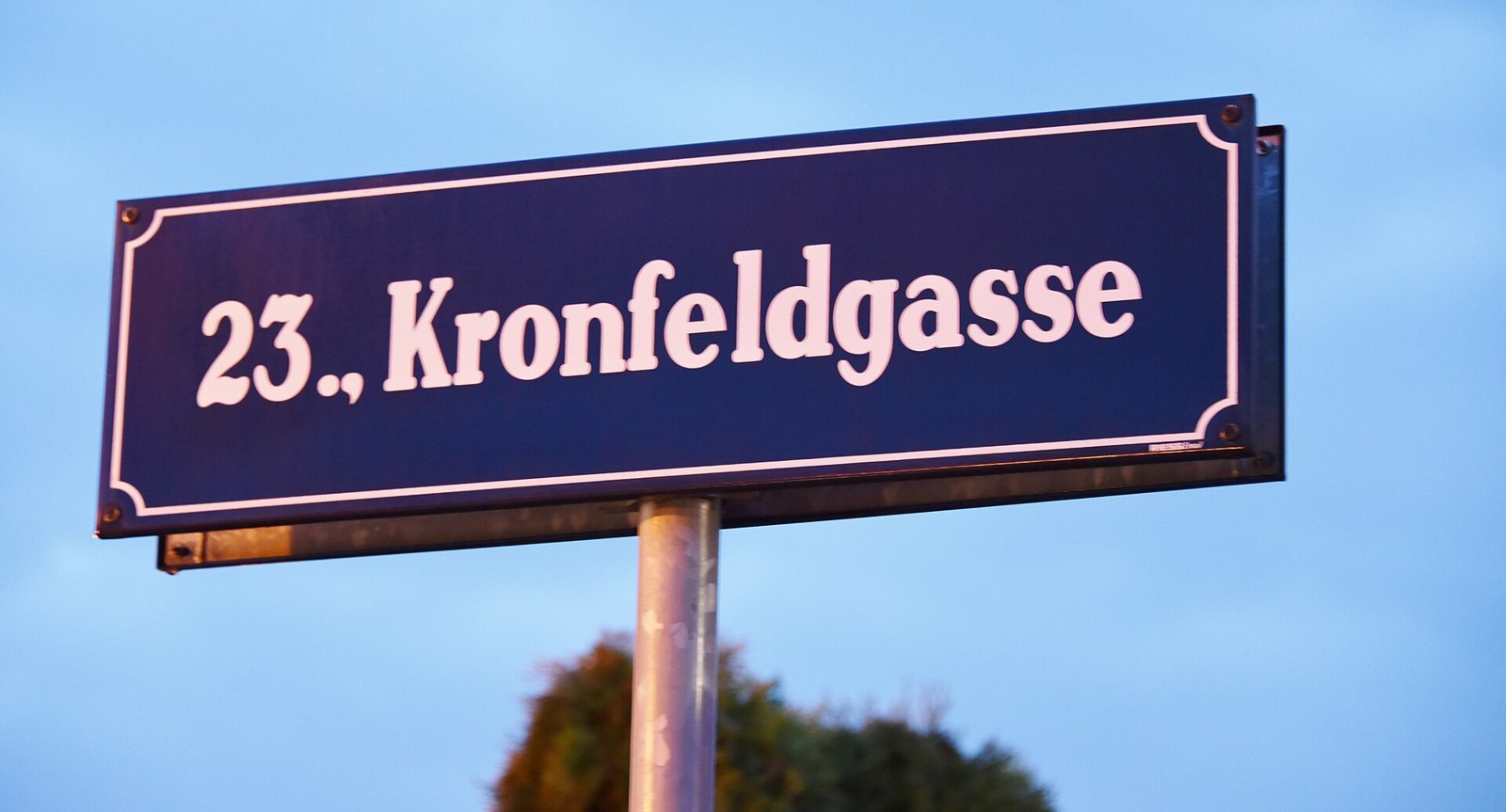
How are Vienna’s districts numbered? Vienna has 23 districts, called Bezirke (singular Bezirk). Each carries bot…
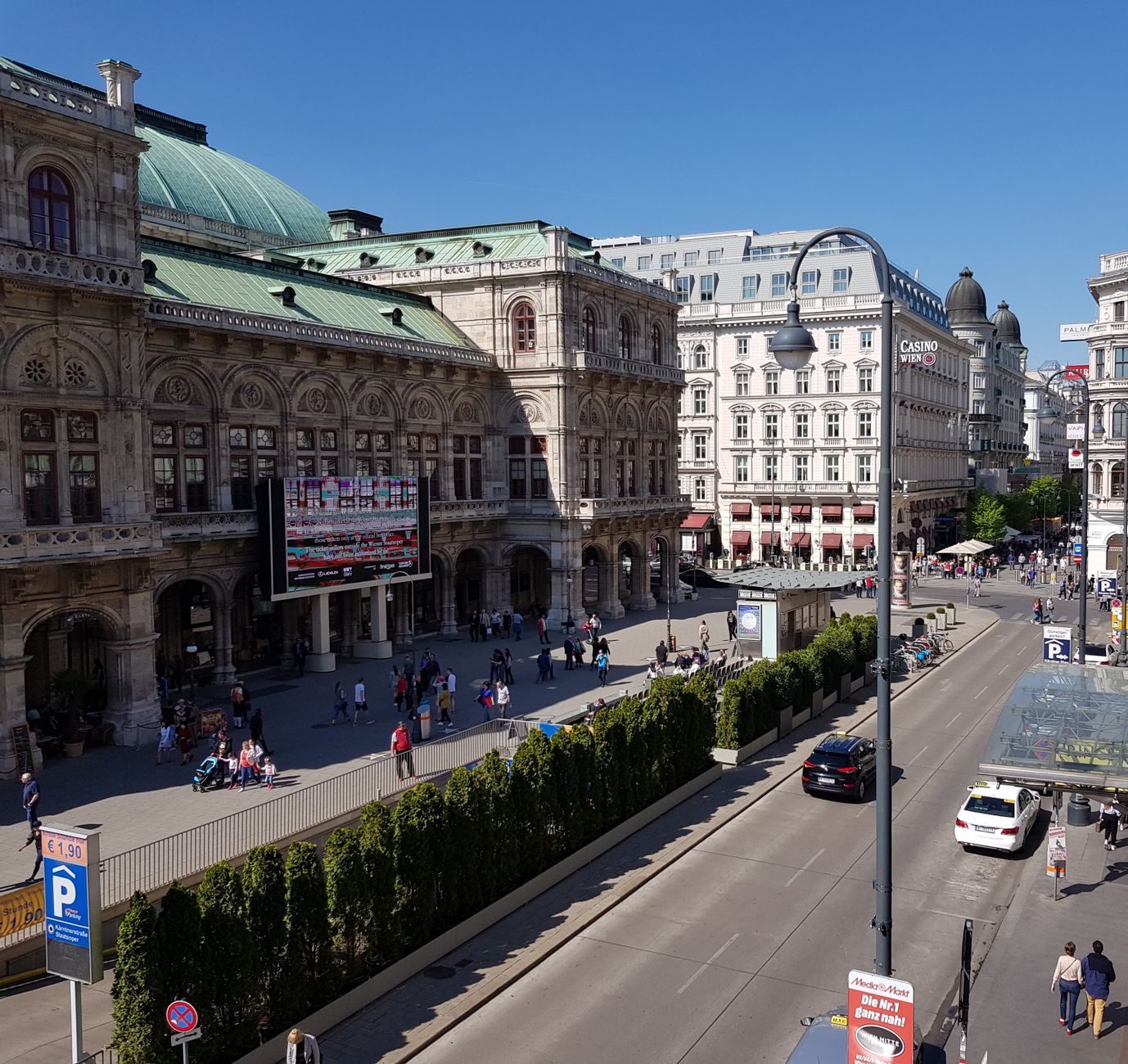
What is the Meldezettel, and why does everything depend on it? The Meldezettel is Austria’s residence registrati…
Landmarks & Sights
opera houses includedWalking into Stephansdom costs nothing. The nave stays open to visitors without a ticket during posted hours. Ad…