
It seems we can’t find what you’re looking for. Perhaps searching can help.
Neighbourhoods
Vienna's 23 numbered districts, what the number tells you about rent and travel time, and what living in each one is actually like. The postal code is the fastest orientation tool in the city once you can read it.
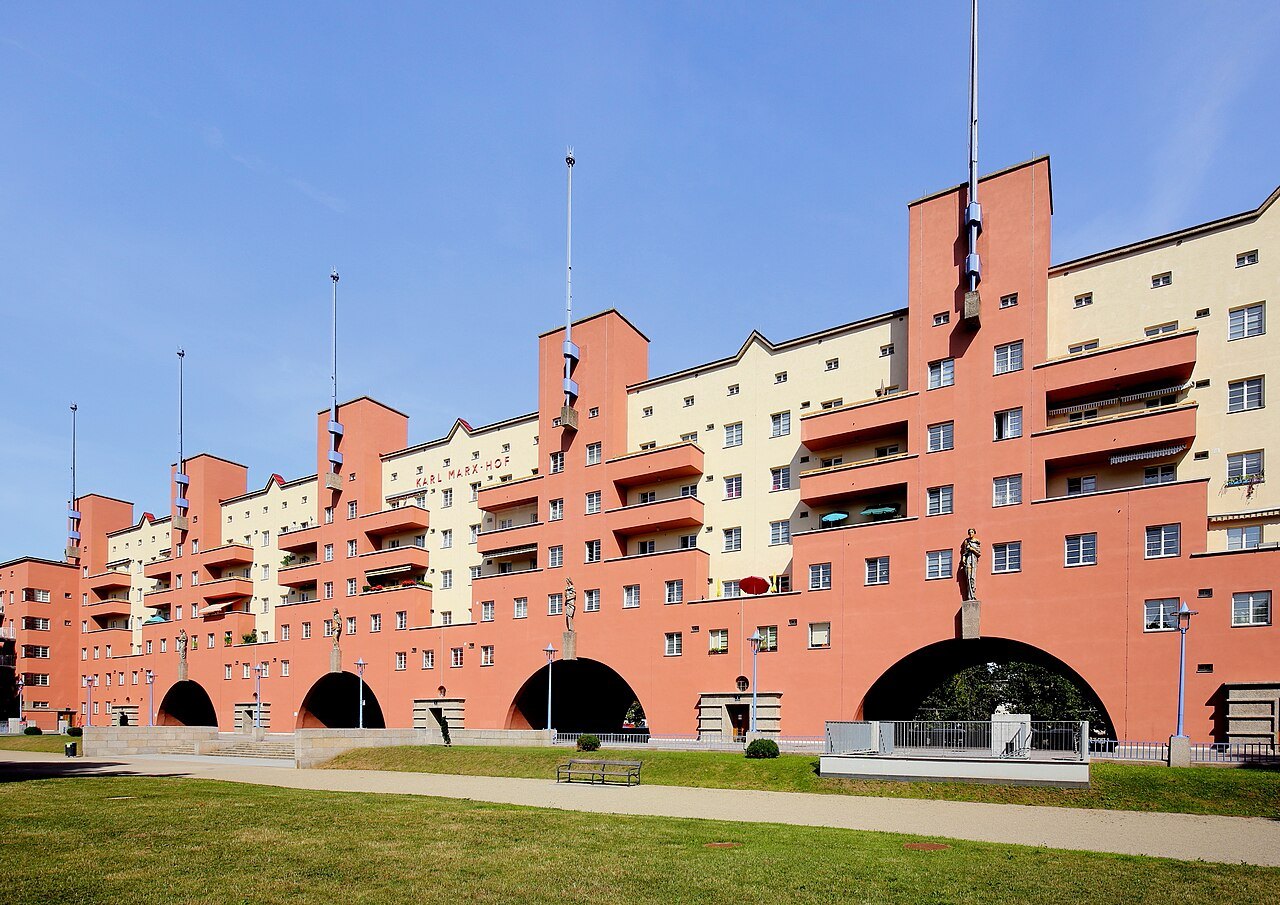
Vienna is divided into 23 numbered districts, and the number is not decoration: it is the fastest orientation tool in the city. The first district is the old walled town inside the Ringstrasse, and the rest spiral outward from it, so a low number means close to the centre and a high number usually does not.
The postal code encodes it. A Viennese postcode runs 1 – district – 0: 1010 is the first district, 1070 the seventh, 1220 the twenty-second. Once you can read that, every address, rental listing and restaurant review tells you roughly where it is and roughly what it costs before you look at a map.
Two rings organise the rest. The Ringstrasse encircles the first district where the walls stood until 1857. Further out, the Gürtel forms a second ring, and the districts inside it feel and price differently from those beyond it.
The logic is not perfect, and the places where it breaks are worth knowing — how the numbering works, and where it fails. Articles in this section cover what each district is actually like to live in: the housing stock, the transport, and what the number does not tell you.
No articles are published in this section yet. We publish two a week rather than filling a section in a day.
Queued for this section
- How are Vienna's districts numbered, and what does the number tell you?
- What is Neubau, Vienna's 7th district, like to live in?
- How does district heating work in a Viennese apartment?
- What is the difference between an Altbau and a Neubau flat in Vienna?
- What is Leopoldstadt, Vienna's 2nd district, like?
- What is Favoriten, Vienna's 10th district, like?