
It seems we can’t find what you’re looking for. Perhaps searching can help.
Food & Markets
Market halls, the Beisl, the coffee house as a place to sit, and what the conventions are around ordering, tap water and tipping. Practice rather than recommendations — we have not eaten there and we do not pretend to have.
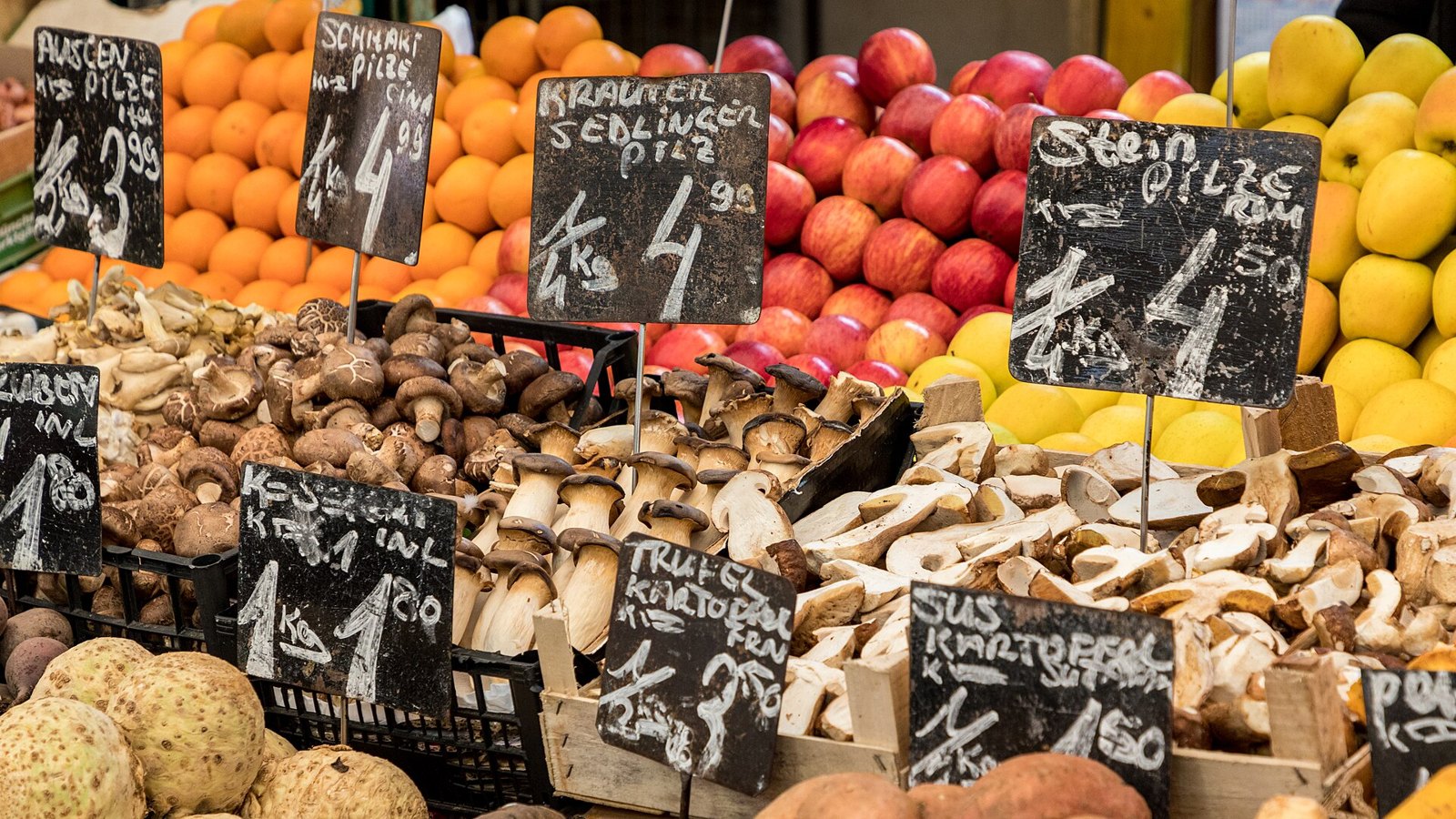
We do not review restaurants. We have not eaten in them, and a guide that invents a favourite Beisl is worth nothing. What this section covers is how eating and drinking here actually works — the institutions, the conventions, and the things that quietly mark you as new.
The coffee house is the one to understand first. It is not a café in the takeaway sense: you buy a coffee and you buy time, and staying for two hours with a newspaper is the intended use rather than an imposition. Viennese coffee house culture has been on Austria's national inventory of intangible cultural heritage since October 2011 — worth stating precisely, because it is routinely reported as a UNESCO World Heritage listing, which it is not.
The Beisl is the everyday neighbourhood tavern, and the Heuriger is the wine tavern on the city's own vineyards, where the rules about what may be served and when are set by law rather than by fashion. Market halls like the Naschmarkt run on ordinary shop hours, which means Sunday closure applies to most of them.
Conventions we will cover: how tap water is treated when you ask for it, how tipping actually works, and why the bill arrives when you ask and not before.
No articles are published in this section yet. We publish two a week rather than filling a section in a day.
Queued for this section
- How does tipping work in Vienna?
- What is the convention on tap water in a Viennese restaurant?
- How does a Viennese coffee house actually work as a place to sit?