
What the city asks of a resident, in the order it asks it. Registration first, because in Austria almost nothing else can be done until it is done.
The Meldezettel comes first
Austria operates compulsory residential registration. The Meldezettel is the form, and the confirmation of registration it produces (Meldebestätigung) is what banks, employers, schools and the immigration office ask for. Almost every other administrative path in this section starts here, which is why it is the first thing we published — what it is, what you need, and what blocks it.
Housing is the thing that makes Vienna different
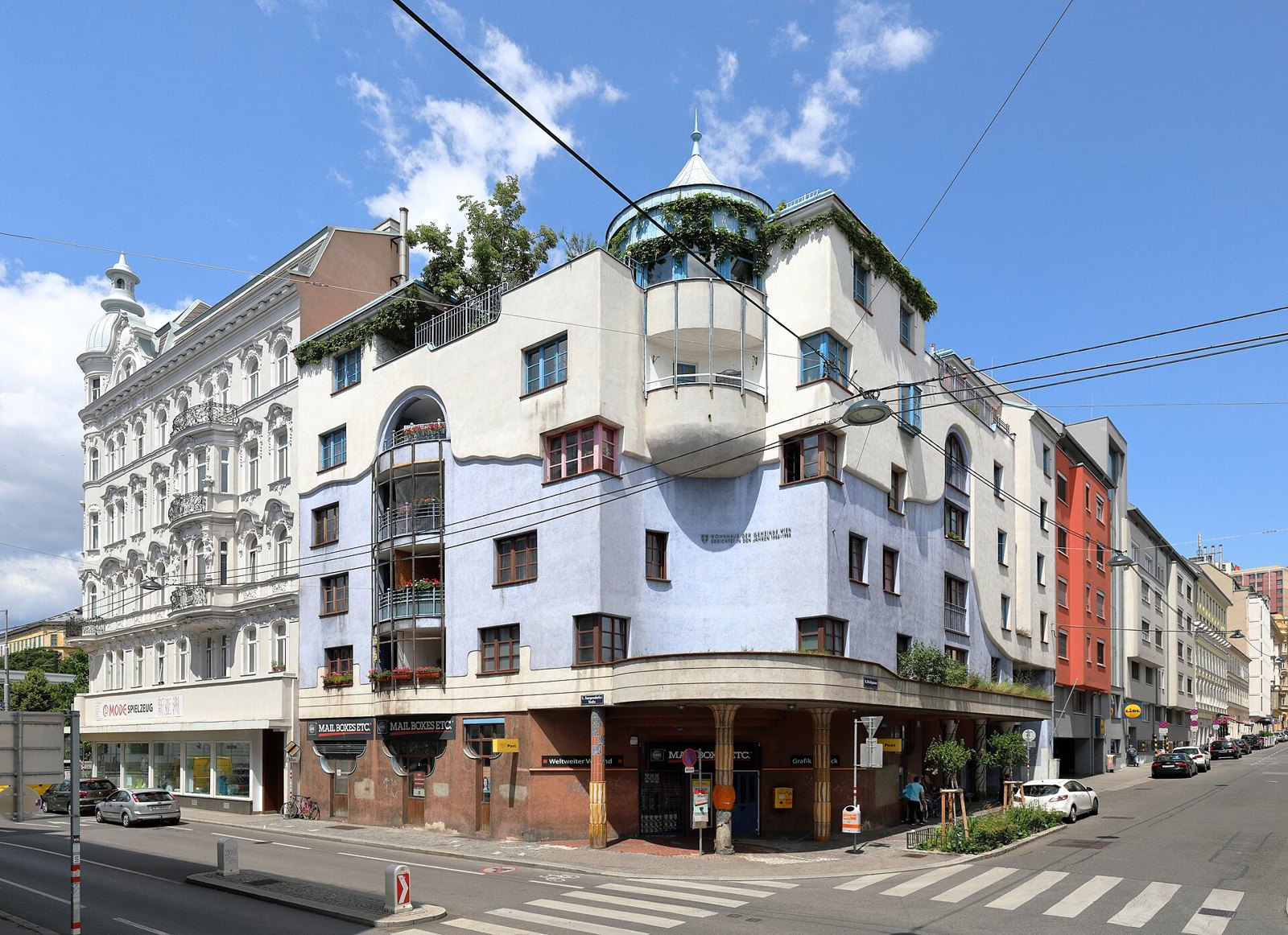
Around 220,000 flats are owned outright by the city — the Gemeindebau, roughly a quarter of all dwellings in Vienna. Counting subsidised co-operatives, about half of Viennese live in some form of social housing. This is not a historical curiosity: it is why rents here behave differently from Munich, Paris or Dublin, and why the private market is smaller and stranger than newcomers expect.
The vocabulary matters when reading listings. An Altbau flat (pre-1945, high ceilings, often no lift) and a Neubau flat are priced and heated very differently, and the district number in the address tells you most of what you need before you visit.
The rules of the building
Viennese buildings run on conventions that are rarely written down for newcomers: quiet hours, who clears the snow outside the door, how the waste separation works floor by floor, and what the Hausbesorger did before most buildings stopped having one. Waste separation is the one that generates the most friction in a first month.
Getting around as a resident, not a visitor
The calculation is different when you live here. The annual pass rose to €467 on 1 January 2026 and now breaks even at about six months of use, and many employers subsidise it under the Jobticket framework — the full break-even, including the subsidy.
Where to go next
- Living in Vienna — registration, rent, waste, the rules of the building
- Getting Around — fares, zones and passes
- Planning & Practicalities — holidays, opening hours, the year
- Neighbourhoods — what each district is like to live in
Checked on 2 September 2026. Administrative requirements change and individual circumstances vary; confirm your own case with the relevant office rather than relying on a guide.