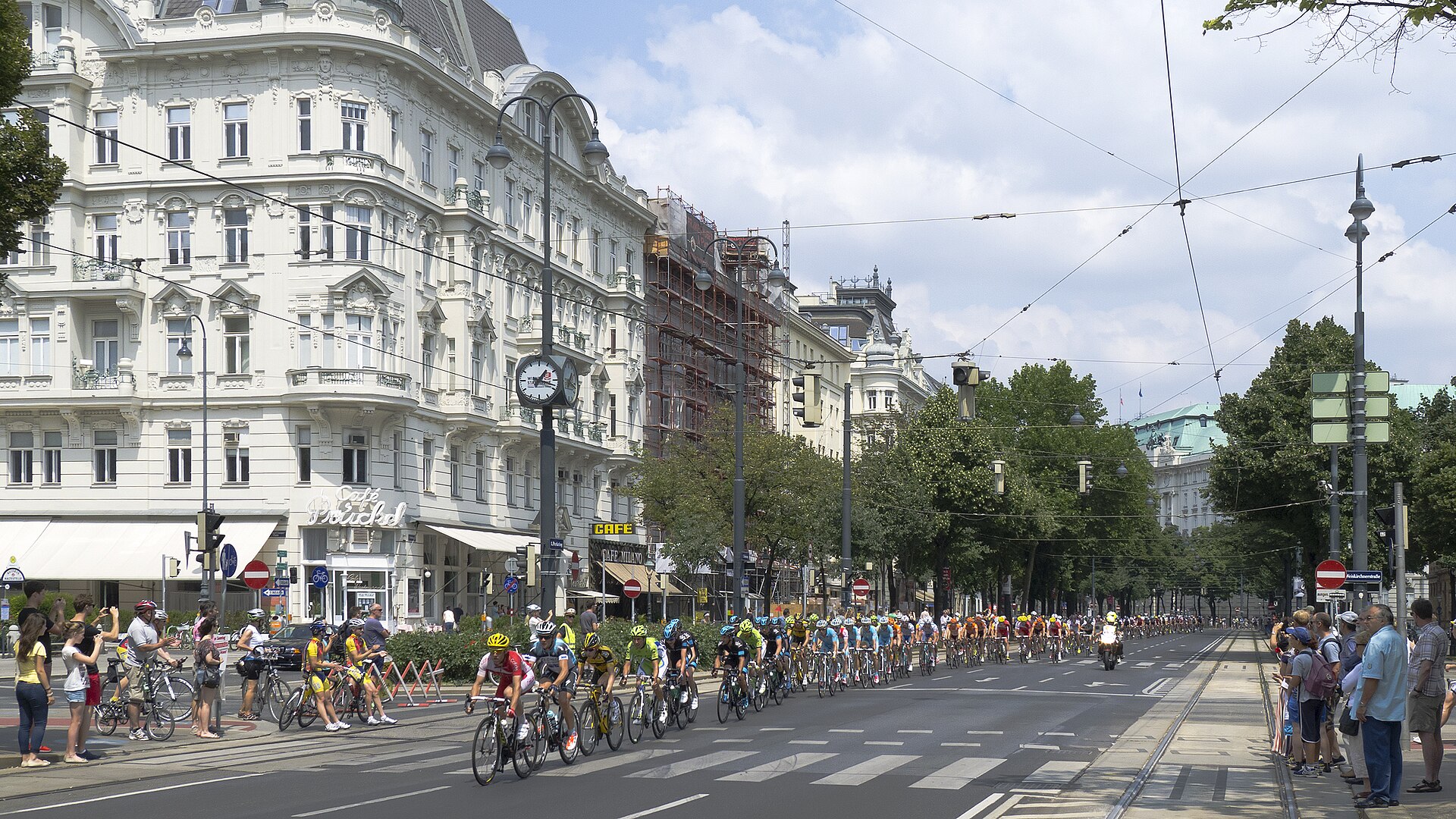

The boulevard that replaced the city walls, and the cheapest tour in Vienna is a normal tram ticket around it.
What it costs
Free to walk, and nearly every grand building on it is free from the outside: the opera, the parliament, the city hall, the museums, the university.
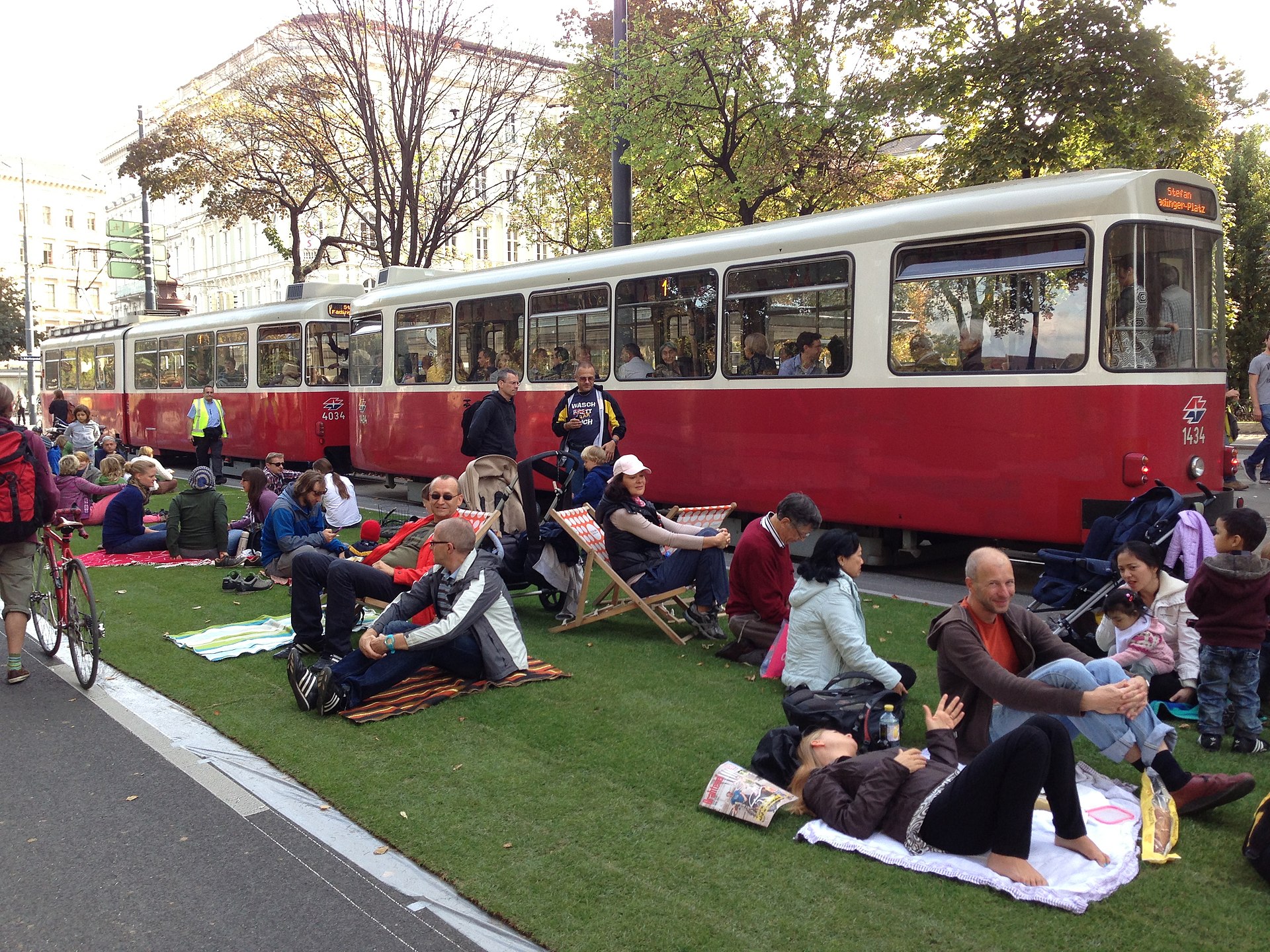
The trick worth knowing: trams 1, 2, D and 71 run along sections of the Ring on ordinary tickets. A normal transport fare and a seat by the window gives you the whole architectural circuit — for a fraction of what the sightseeing operators charge for the same route.
.jpg)
When to go
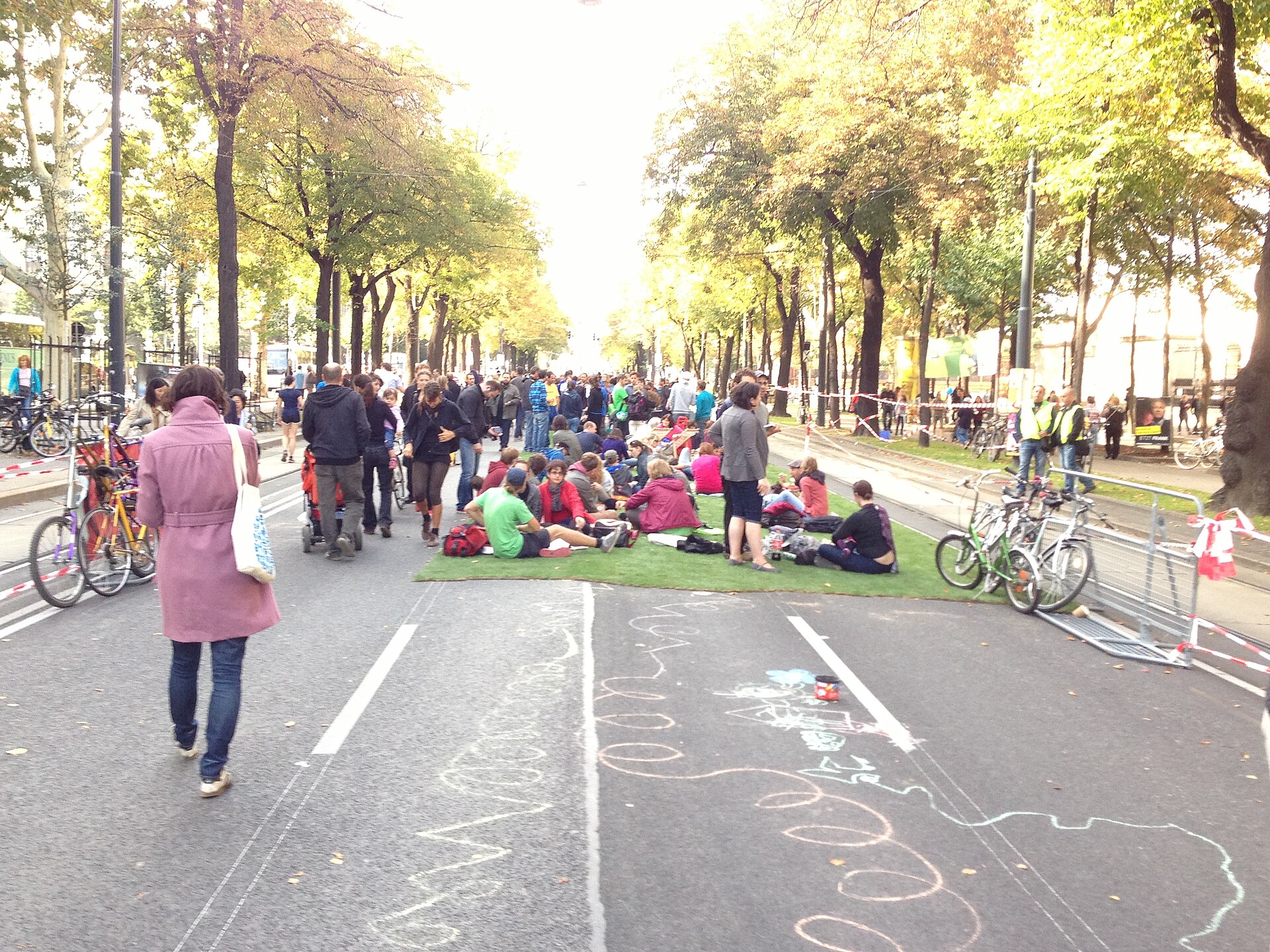
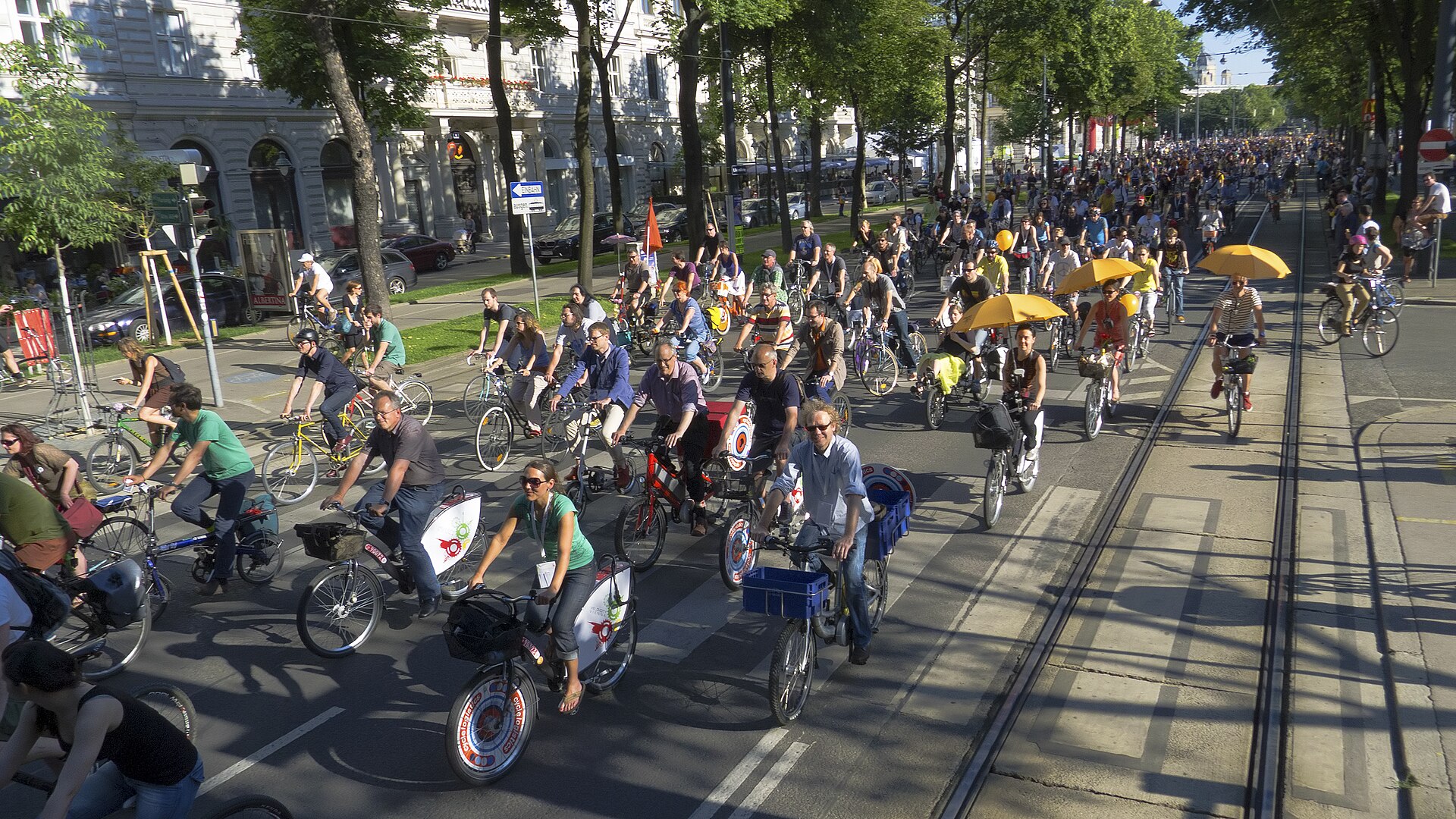
Any time. Once a year the Ring closes to cars for a cycling event and fills with people, which is worth catching if the dates fall right.
Getting there
It is a ring, so any tram stop on it. Schwedenplatz, Karlsplatz and Schottentor are the usual places to get on.
.jpg)
If you only have an hour
Get on tram 1 or 2 and ride, with a stop or two to get off and look. An ordinary ticket, a window seat, and the whole Ringstrasse programme in about forty minutes.
What people get wrong
The buildings look older than they are. The walls came down in 1857 and everything on the Ring went up after that — which is why the parliament is Greek, the city hall is Gothic and the museums are Renaissance. They were built in the style of whatever each institution wanted to claim descent from.

Nearby
Ticketing arrangements and opening patterns as published for 2026 and checked on 4 September 2026. These change without much warning — confirm with the site itself before you travel. More sights, and how they fit together, in Landmarks & Sights.