
Access Vienna is an independent guide to Vienna, written for two readers at once: someone planning a first visit, and someone who lives here and wants a straight answer about how something works.
Who writes this
The Access Vienna Editorial Team. We are researchers and writers working from the public record. We are not a travel agency, not tour operators, and not residents reporting back.
We have not visited the places we write about. That sentence is unusual on a site like this and it is the most important one on the page, because the genre runs on the opposite claim — the Beisl only locals know, the courtyard worth the detour. We do not have those, and we are not going to invent them.
What we can do instead is explain the city from published, checkable sources: what a collection holds and how it is arranged, how the fare zones are drawn, what a district is and when it was built, which offices need which document, what the calendar does to opening times. That material stays true between visits, and almost nobody writes it carefully in English.
How these articles are made
Articles on this site are drafted with the help of AI language models, working from published sources, and then checked before they go live. We say so plainly because you should be able to know it, not because anything requires the confession.
Why we work this way. Vienna’s everyday mechanics — waste separation, the Meldezettel, fare zones, the rules about quiet hours — are documented in German by the offices that run them, and thinly covered in English by anyone. Explaining that volume of material carefully is more writing than a small team can do by hand. Automation is what makes the coverage possible; it is not what decides whether an article is true.
What that does and does not mean. Every article is written against sources we can point to, and where a claim belongs to somebody we say whose it is. No page here describes an experience we have had, because we have not had one. Prices, fares and opening hours are given as reported, with the operator named, because they change and the operator is the authority.
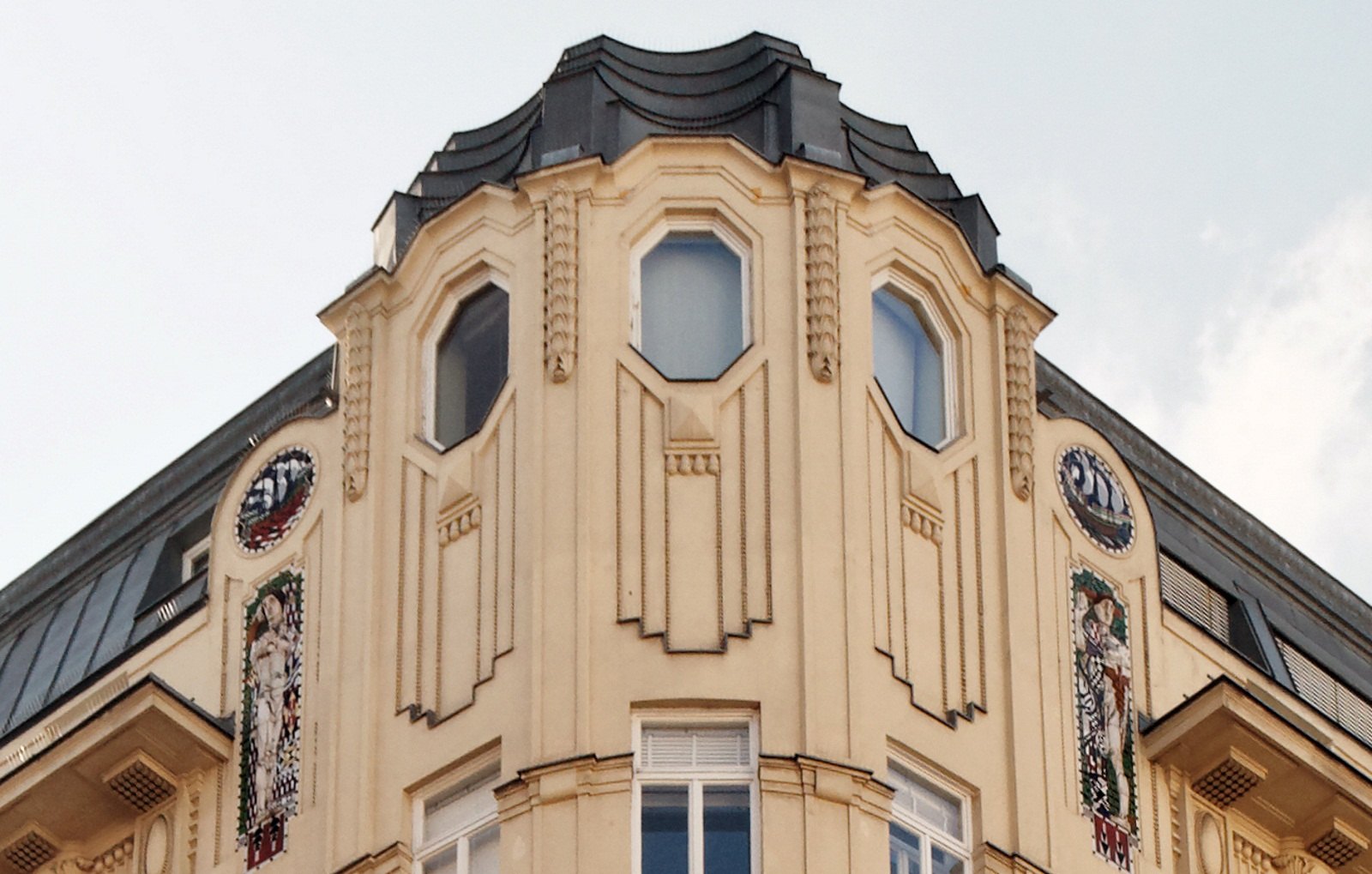
What we check before publishing. Each article is measured for readability and length before it goes live, is required to carry a comparison table where the subject warrants one, and must link to other pages on this site that actually resolve. Photographs are real, freely licensed images sourced by name and credited where the licence requires it — we do not generate pictures of real buildings, because a generated Stephansdom is a plausible cathedral that is not Stephansdom.
How recommendations work here
When we point at something as notable, we say who says so — a UNESCO inscription, a national-museum designation, a city tourism body, an award. You get the claim and its source, and you can weigh both. What you will never get is “the best Schnitzel in Vienna” in our own voice, because we would be making it up, and in a city of two million someone would know within the hour.
Four things we will never publish
- Invented places, or invented detail about real ones. No restaurant, bar or hotel we are not certain exists, and never a description of what being there is like.
- Dated event listings. They are wrong within a week and we have no way to maintain them. We write what recurs and roughly when, and send you to check the current dates.
- Prices and opening times presented as settled fact. They change constantly. We explain the shape of a system and send you to the operator for the number.
- A fabricated author. There is no invented correspondent with a name and a biography behind these pages. There is an editorial team, and this is what it does.
Corrections
If something here is out of date or simply wrong — especially if you live in Vienna and can see it plainly — tell us and we will correct the page rather than quietly delete it. Getting it wrong is survivable; leaving it wrong is not.